AC Load Break Switches: Key to Safe Power Distribution Systems
Power distribution systems are the backbone of modern infrastructure, ensuring the uninterrupted flow of electricity across residential, commercial, and industrial environments. As electrical networks become more complex, the need for dependable switching and protection devices continues to grow. AC load break switches play a crucial role in safely controlling electrical circuits during maintenance, emergencies, and routine operations. When integrated with reliable protective devices, they help improve system efficiency, reduce operational risks, and enhance overall electrical safety, making them an essential component of modern power distribution systems.
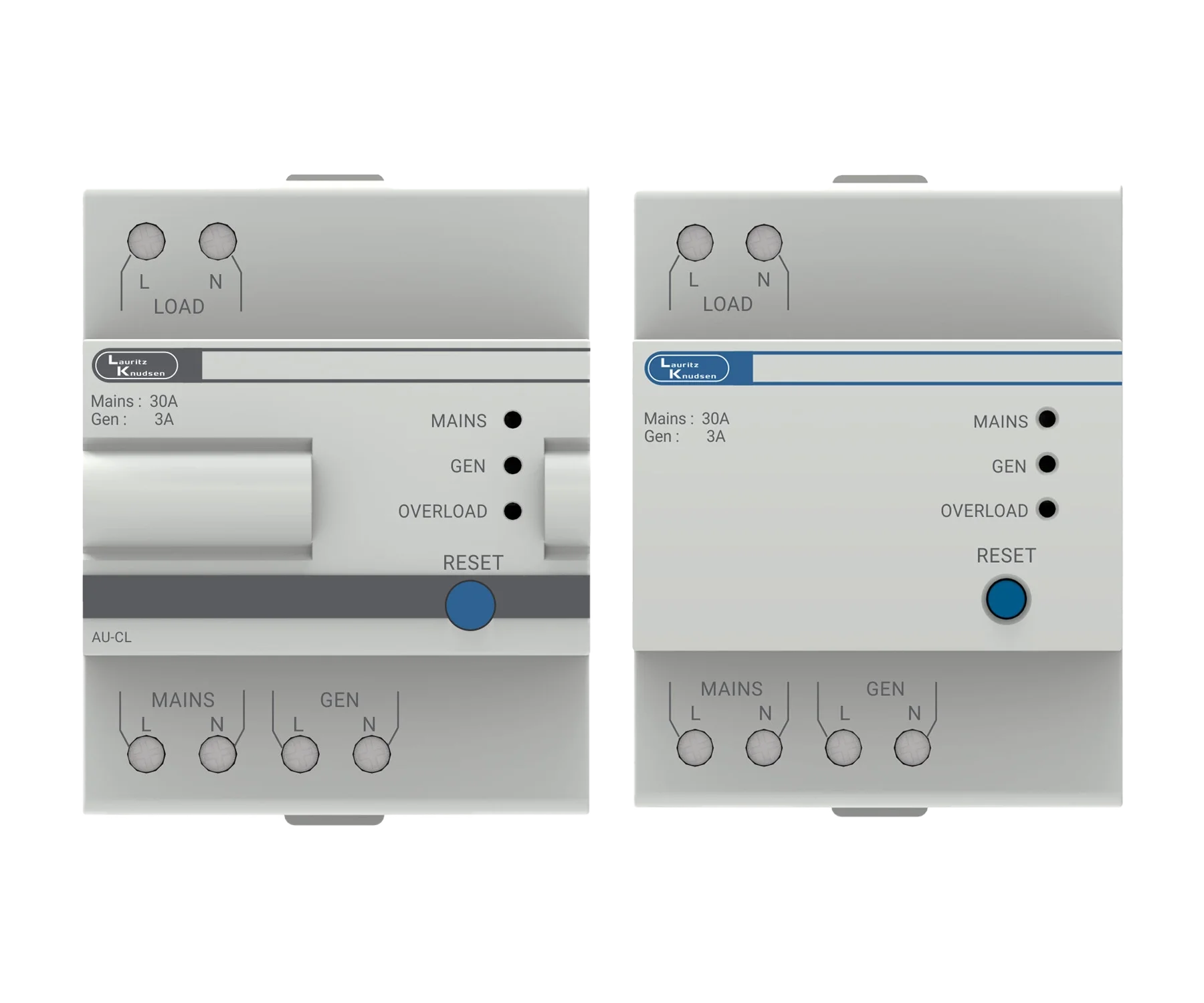
Understanding AC Load Break Switches
An AC load break switch is a switching device designed to safely make or break electrical circuits under normal load conditions. Unlike isolators that operate only when circuits are de-energized, load break switches can disconnect electrical loads without causing damage to equipment or compromising operator safety.
One of the widely used solutions in this category is ACCL, which is designed to provide dependable switching performance across various electrical applications. These switches are engineered to improve operational flexibility while ensuring safe power management.
Why Safe Power Distribution Matters
Reliable power distribution is essential for maintaining continuous operations and protecting valuable electrical assets. Without appropriate switching and protection equipment, electrical systems may face issues such as:
- Unexpected power interruptions
- Equipment failures
- Electrical fires
- Costly maintenance
- Safety hazards for personnel
By incorporating suitable switching devices into the electrical network, organizations can minimize these risks while improving system reliability.
Key Functions of AC Load Break Switches
1. Safe Load Switching
One of the primary functions of an AC load break switch is to disconnect electrical circuits safely while carrying normal operating current. This allows maintenance personnel to perform repairs or inspections without exposing themselves to unnecessary electrical hazards.
Solutions like ACCL provide dependable switching capabilities that support safer maintenance practices across diverse electrical installations.
2. Operational Flexibility
Power distribution systems often require sections of the network to be isolated without affecting the entire installation.
Load break switches help by:
- Isolating faulty sections
- Supporting planned maintenance
- Allowing system upgrades
- Reducing operational downtime
This flexibility ensures better continuity of service while simplifying maintenance activities.
3. Improved Equipment Protection
Frequent electrical switching can place stress on system components. Properly designed load break switches help minimize wear by enabling controlled switching operations, thereby extending the lifespan of connected electrical equipment.
Importance of Protective Devices in Distribution Systems
While load break switches provide switching functionality, overcurrent protection remains equally important.
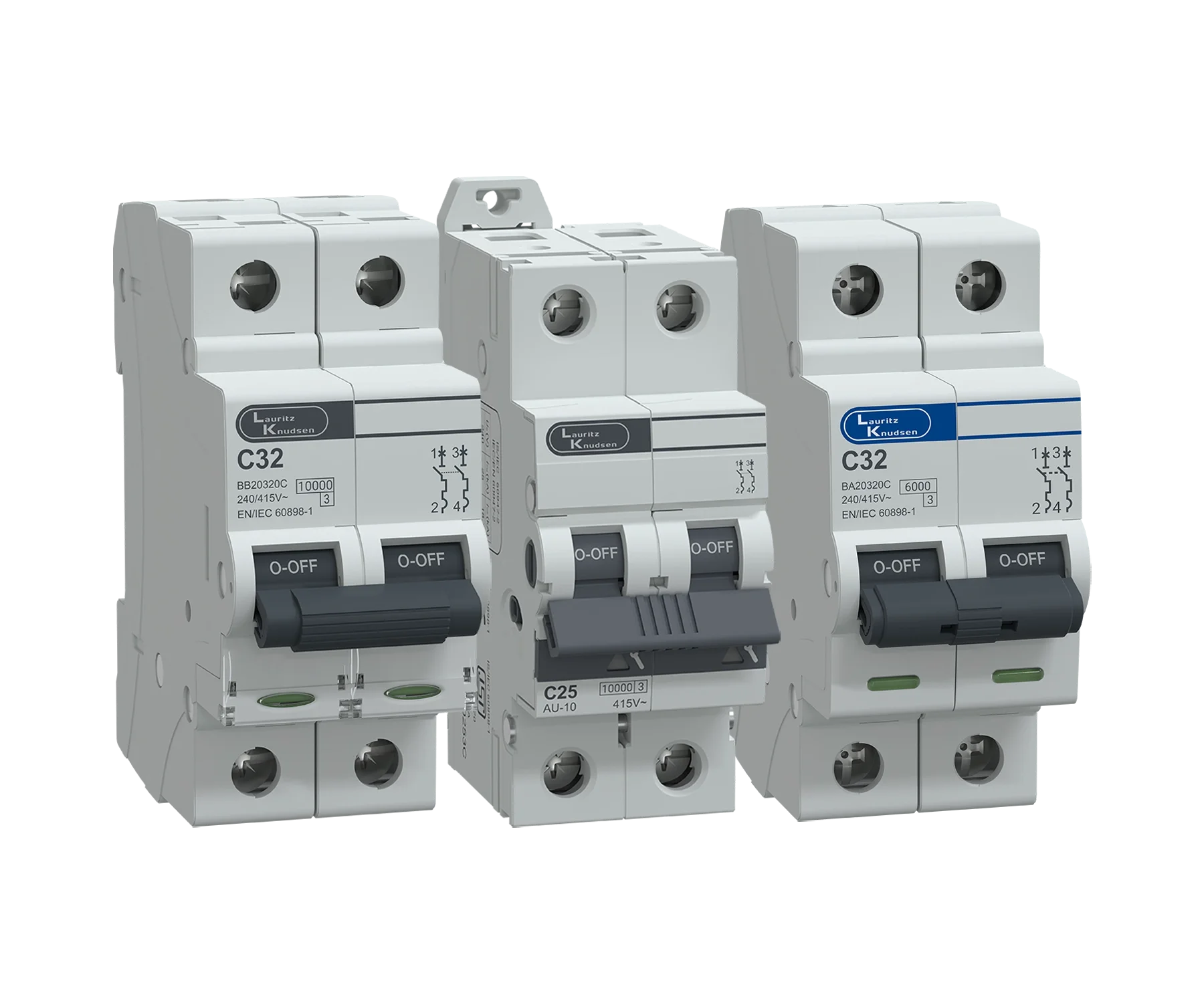
An MCB circuit breaker protects electrical circuits from overloads and short circuits by automatically interrupting the flow of electricity whenever abnormal current conditions occur.
Together, load break switches and protective breakers create a comprehensive safety solution that enhances electrical system reliability.
Benefits of AC Load Break Switches
Enhanced Safety
Safe switching reduces the risk of electrical accidents during equipment servicing and maintenance. Operators can isolate circuits with confidence while minimizing exposure to live electrical components.
Better System Reliability
Reliable switching helps prevent unnecessary disruptions by allowing only the required section of the electrical network to be disconnected.
This contributes to:
- Continuous operations
- Faster maintenance
- Reduced downtime
- Improved productivity
Simplified Maintenance
Maintenance becomes easier when individual circuits can be isolated without shutting down the complete power system.
This approach:
- Saves time
- Improves technician safety
- Reduces maintenance costs
- Enhances equipment availability
Applications Across Different Sectors
AC load break switches are widely used across numerous industries because of their dependable performance and operational flexibility.
Some common applications include:
- Manufacturing facilities
- Commercial buildings
- Infrastructure projects
- Data centers
- Utility substations
- Agricultural installations
- Industrial processing plants
These applications require reliable switching solutions capable of handling varying electrical loads while maintaining safe operations.
Choosing the Right Load Break Switch
Selecting an appropriate switch depends on several important considerations.
Current Rating
The switch should be capable of carrying the expected operational current without exceeding its design limits.
Voltage Rating
Selecting a switch with the correct voltage rating ensures reliable performance and long-term operational safety.
Mechanical Durability
Frequent switching operations require robust construction to ensure consistent performance throughout the product's service life.
Installation Environment
Environmental factors such as temperature, humidity, dust, and vibration should be considered when selecting electrical switching equipment.
Coordination with Protection Devices
For comprehensive electrical protection, switching equipment should work alongside an MCB circuit breaker, ensuring both operational control and fault protection within the distribution system.
Best Practices for Safe Operation
Proper installation and maintenance significantly improve the performance and lifespan of AC load break switches.
Recommended Practices
- Conduct regular visual inspections.
- Verify proper mechanical operation.
- Ensure electrical connections remain secure.
- Inspect for signs of overheating or corrosion.
- Follow recommended maintenance schedules.
- Replace worn components when necessary.
Routine maintenance helps prevent unexpected failures while improving system reliability.
Future Trends in Power Distribution
Modern electrical systems are becoming increasingly intelligent, enabling operators to monitor equipment performance more effectively.
Emerging developments include:
- Smart monitoring systems
- Remote switching capabilities
- Predictive maintenance technologies
- Digital diagnostics
- Integrated energy management
- Improved system automation
These innovations help organizations optimize power distribution while reducing operational risks and maintenance costs.
As industries continue embracing automation and digital transformation, solutions like ACCL will remain valuable for supporting safe, efficient, and flexible electrical operations.
AC Load Break Switches and System Efficiency
Power distribution efficiency depends not only on protecting circuits but also on ensuring smooth operational control.
Combining AC load break switches with devices such as an MCB circuit breaker allows electrical systems to:
- Improve operational safety
- Minimize equipment damage
- Support planned maintenance
- Reduce downtime
- Enhance overall system reliability
This integrated approach enables organizations to maintain continuous power availability while ensuring safer working environments for personnel.
Conclusion
Reliable power distribution requires a combination of safe switching and effective circuit protection. AC load break switches enable controlled isolation of electrical circuits during maintenance and routine operations, while an MCB circuit breaker safeguards systems against overloads and short circuits. Together, these devices contribute to safer, more efficient, and highly reliable electrical networks across diverse applications. With more than seven decades of expertise, a robust manufacturing footprint, and a commitment to powering India's future, Lauritz Knudsen Electrical & Automation continues to deliver dependable electrical solutions that support safe, efficient, and sustainable power distribution across residential, commercial, industrial, agricultural, and infrastructure sectors.
Comments