Are Compact Telehandlers the Future of Urban Construction?
Urban construction is at a turning point. With cities becoming denser, regulations tightening, and project timelines shrinking, contractors are being pushed to find smarter, more adaptable equipment. One machine that’s rapidly gaining attention in this space is the compact telehandler. But is it truly the future of urban construction? Let’s explore the why, the how, and the real impact of this versatile machine.
What Is a Compact Telehandler?
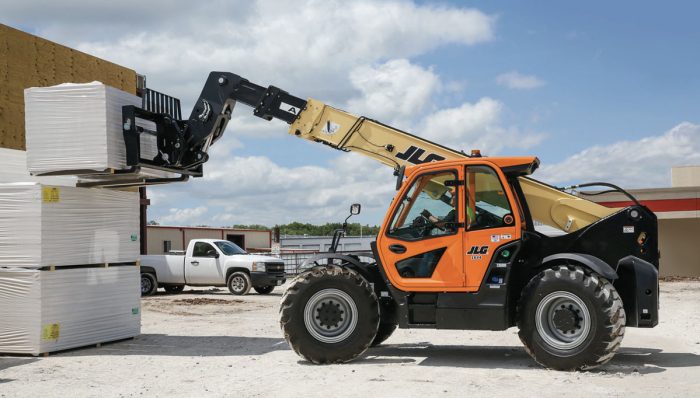
A compact telehandler sometimes called a compact telescopic handler is a small, highly maneuverable lift machine that blends the reach of a forklift with the versatility of a crane. Unlike traditional telehandlers, compact models are engineered specifically for confined spaces, offering tight turning radii and flexible attachment options.
Key features include:
Telescopic boom for extended reach
Swivel and articulation capabilities
Multiple compatible attachments (buckets, forks, jibs, etc.)
Enhanced stability systems
Smaller footprint than conventional telehandlers
Why Urban Construction Needs Compact Telehandlers
Urban building sites present unique challenges that traditional equipment often struggles with:
1. Space Constraints
Cities are crowded site access is limited, streets narrow, and storage space scarce. Traditional telehandlers and cranes require room to operate safely. Compact telehandlers, however, are designed for:
Tight alleys
Restricted job sites
Indoor and outdoor transitions
Their smaller size doesn’t just help fit where other machines can’t it boosts efficiency by reducing time lost maneuvering in confined areas.
2. Versatility Across Tasks
In urban projects, one machine often has to pull double (or triple) duty. Compact telehandlers can:
Lift materials to upper floors
Transport pallets across site
Load/unload trucks
Support finishing work with specialized attachments
This adaptability replaces multiple single-purpose machines, streamlining fleet needs and reducing operational costs.
3. Faster Project Timelines
Time is money especially in high-rent cities where construction delays are costly. Because compact telehandlers are easy to mobilize, require less setup time than cranes, and can operate in tighter quarters without blocking city traffic, they help accelerate critical project phases.
4. Enhanced Safety
Urban sites are shared spaces, often near pedestrians and traffic. Compact telehandlers typically include:
Advanced braking and stability systems
Improved visibility from the cab
Reduced need for manual material handling
These factors help lower incident risk and improve compliance with strict safety standards.
5. Environmental and Regulatory Compliance
Cities are increasingly enforcing noise, emissions, and dust regulations. New models of compact telehandlers often meet:
Tier 4 emissions standards
Quieter operation profiles
Efficient fuel consumption
For contractors, this minimizes fines and ensures smoother interactions with local regulators.
Market Trends Supporting Compact Telehandlers
Several industry shifts suggest that compact telehandlers are not just a fad:
Growing demand for modular and high-density housing
Smaller work zones in urban redevelopment projects
Preference for multi-functional equipment to reduce fleet size
Increasing costs of crane mobilization and road closures
Technology integration (telematics, automation, sensor systems)
These trends reinforce the value proposition of compact telehandlers as essential urban tools.
Challenges Still Facing Adoption
Despite their advantages, compact telehandlers are not without limitations:
Lift capacity vs. full-size machines: Smaller units can’t match the heft of larger telehandlers in heavy industrial jobs.
Attachment dependency: Getting full flexibility often requires purchasing multiple attachments.
Operator training: Even experienced operators need familiarization with telescopic controls and stability technology.
However, with ongoing advancements, many of these constraints are rapidly diminishing.
Why Choose FERAQuip?
If you’re considering a compact telehandler for your urban construction needs, FERAQuip stands out as a leading choice and here’s why:
Built for Urban Conditions
FERAQuip’s compact telehandlers are engineered to excel where space is tight and demands are high:
Small footprint for crowded sites
High maneuverability with precision steering
Robust design for both indoor and outdoor use
Versatility You Can Count On
Whether it’s material handling, lifting loads to upper floors, or switching to finishing attachments, FERAQuip machines adapt without costly downtime. One machine many capabilities.
Innovation and Future-Ready Technology
FERAQuip integrates smart features such as:
Telematics and fleet monitoring
Load stabilization systems
Optional automation enhancements
These innovations help contractors work smarter, not harder.
Reliability & Support
Minimal downtime is critical on urban jobs. FERAQuip supports its equipment with:
Comprehensive warranty plans
Local service networks
Readily available spare parts
This reduces project interruptions and keeps your ROI high.
Value for Investment
With competitive pricing and lower lifecycle costs due to multi-use functionality and fuel efficiency, FERAQuip telehandlers deliver strong long-term value compared to purchasing multiple single-purpose machines.
Conclusion
Yes especially for urban construction. Compact telehandlers are emerging as indispensable tools due to their flexibility, space-efficient design, safety benefits, and cost-saving potential. As cities continue to grow and construction challenges become more complex, compact telehandlers particularly high-quality ones like those from FERAQuip are well-positioned to become the backbone of modern urban building fleets.
Comments