Common Signs Your Vehicle Needs ADAS Calibration?
A vehicle can look perfectly fine while its driver-assistance systems are no longer working as intended. Modern cars rely on cameras, radar, and other sensors to support features such as lane keeping, automatic emergency braking, and adaptive cruise control. When these components shift or lose accuracy, Mobile adas calibration can help restore proper system alignment. Knowing the warning signs early can help drivers address potential problems before they affect everyday vehicle safety.
What Is ADAS Calibration?
Advanced Driver Assistance Systems, commonly called ADAS, use cameras, radar, ultrasonic sensors, and other technologies to monitor the road and assist the driver. These systems can support functions such as lane departure warnings, forward collision alerts, blind-spot monitoring, and adaptive cruise control.
ADAS calibration is the process of checking and adjusting these systems so their sensors and cameras accurately understand their surroundings. Even a small change in sensor position can affect how a system interprets distances, lane markings, or nearby vehicles.
Calibration requirements vary by vehicle make, model, system, and repair procedure. For that reason, technicians should follow the vehicle manufacturer's specifications rather than relying on a one-size-fits-all process.
Why Proper ADAS Calibration Matters
ADAS features depend on accurate information. A camera that points slightly away from its intended position may interpret lane markings differently, while a radar sensor that is out of alignment may have difficulty accurately estimating another vehicle's position.
Several situations can affect sensor positioning, including:
- Windshield replacement
- Front-end collision repairs
- Wheel alignment changes
- Suspension repairs
- Bumper replacement
- Changes to vehicle ride height
- Sensor or camera replacement
- Certain body repairs
Calibration does not replace safe driving or careful attention. Instead, it helps ensure that the vehicle's driver-assistance technology is operating according to the manufacturer's requirements.
Common Signs Your Vehicle May Need ADAS Calibration
Recognizing potential warning signs can help vehicle owners arrange an inspection sooner rather than later. Some signs are easy to notice, while others may appear only when a specific driver-assistance feature is activated.
ADAS Warning Lights Appear
One of the clearest signs is an unexpected warning message or indicator on the dashboard.
Depending on the vehicle, the message may indicate that a driver-assistance feature is unavailable, malfunctioning, or requires service. Some vehicles may also display a message related to cameras, radar, lane assistance, or automatic braking.
However, a warning light does not automatically mean calibration is the only problem. Electrical faults, damaged sensors, software issues, or physical damage can produce similar warnings. A qualified technician should diagnose the cause before calibration begins.
Lane-Keeping Assistance Behaves Differently
Lane-keeping systems use cameras and other information to identify lane markings and help keep the vehicle centered.
If the system begins behaving differently after a repair, windshield replacement, suspension work, or alignment service, an inspection may be appropriate. For example, the vehicle might appear to respond differently to clearly visible lane markings than it did previously.
Drivers should never rely on lane assistance as a substitute for steering control. If the system behaves unexpectedly, manual control should remain the priority while the vehicle is inspected.
Forward Collision Alerts Seem Unusual
Forward collision warning systems are designed to identify potential obstacles or vehicles ahead. When sensor alignment changes, the system may respond differently from normal.
Unusual alerts can include warnings that appear without an obvious hazard or a noticeable change in how the system detects traffic ahead. These symptoms should not be ignored, particularly if they began after a collision or front-end repair.
A diagnostic inspection can help determine whether calibration, sensor damage, wiring, or another issue is responsible.
Adaptive Cruise Control Does Not Behave Normally
Adaptive cruise control relies on sensors to estimate the distance between your vehicle and traffic ahead.
If the system has difficulty maintaining a selected following distance or becomes unavailable, the vehicle may require further inspection. However, road conditions, weather, sensor obstruction, and system limitations can also affect performance.
Before assuming calibration is required, check that the relevant sensor areas are clean and free from snow, mud, ice, or other obstructions.
The Windshield Has Been Replaced
Windshield replacement is an important situation to consider because many modern vehicles mount ADAS cameras near the windshield.
A camera may need to be removed, repositioned, or otherwise disturbed during replacement. Even when the new windshield looks correctly installed, the camera's relationship to the road may need to be verified according to manufacturer procedures.
For this reason, vehicle owners should ask whether calibration is required whenever windshield work involves an ADAS camera.
Vehicle Repairs That May Require Calibration
Not every repair automatically requires calibration, but several common repair situations can affect ADAS components or their alignment.
| Vehicle Situation | Why Calibration May Be Relevant |
|---|---|
| Windshield replacement | Forward-facing cameras may be disturbed |
| Front-end collision | Sensors, brackets, or mounting points may shift |
| Bumper replacement | Radar or other sensors may be repositioned |
| Wheel alignment | Changes in vehicle geometry can affect system reference points |
| Suspension repairs | Ride height or vehicle geometry may change |
| Camera replacement | A new camera may require setup or calibration |
| Radar sensor replacement | Sensor positioning may need manufacturer-specified adjustment |
| Body repairs | Nearby components or mounting locations may be affected |
The exact requirement depends on the vehicle and repair. Manufacturer service information should determine whether static calibration, dynamic calibration, diagnostics, or another procedure is appropriate.
Changes in Vehicle Alignment Can Matter
Wheel alignment is normally associated with steering and tire wear, but vehicle geometry can also be relevant to certain ADAS systems.
If a vehicle's thrust angle, steering position, ride height, or other geometric reference changes, some systems may need to be checked. This is especially important when a repair involves suspension or steering components.
Why Geometry Matters
ADAS sensors operate within specific reference points. If the vehicle's physical geometry changes, the information used by cameras and sensors may no longer correspond precisely with the vehicle's actual direction or position.
That does not mean every alignment service requires calibration. Instead, technicians should determine whether the particular vehicle and system have calibration requirements connected to the repair.
Sensor Damage or Physical Obstruction
Sensors can sometimes become dirty, blocked, cracked, or damaged without creating obvious exterior problems.
Road debris, ice, snow, mud, bumper damage, and other obstructions can interfere with sensor operation. Before scheduling calibration, inspect accessible sensor areas and follow the vehicle owner's cleaning instructions.
Physical damage is a different matter. A damaged sensor or mounting bracket may need repair or replacement before calibration can be completed correctly.
Recent Collision or Body Repair
A collision does not have to cause major visible damage to affect ADAS components.
A minor impact near a bumper, grille, windshield, mirror, or sensor mounting area can potentially change the position of a component. During body repairs, parts may also be removed and reinstalled.
After collision repairs, drivers should ask whether the vehicle's ADAS systems were inspected and whether the manufacturer specifies calibration for the repairs performed.
How Technicians Determine Whether Calibration Is Needed
Calibration should begin with proper diagnosis rather than guesswork.
Review the Vehicle and Repair History
The technician should identify the vehicle's make, model, year, equipment, and recent repair history. This information helps determine which ADAS systems are installed and what procedures may apply.
The repair history is particularly useful when the vehicle recently experienced a collision, windshield replacement, suspension work, or sensor replacement.
Perform Diagnostic Checks
Diagnostic equipment can help identify fault codes and system status. Technicians may also inspect sensors, brackets, wiring, camera mounting points, and related components.
A diagnostic result can help distinguish calibration requirements from other faults that need repair first.
Follow Manufacturer Procedures
Different vehicles use different sensor technologies and calibration methods. Some systems may require a controlled road drive, while others may require specialized targets, measurements, or workshop equipment.
Following manufacturer procedures helps ensure that the calibration process matches the vehicle's actual requirements.
Static and Dynamic Calibration
ADAS calibration generally falls into two broad categories: static and dynamic calibration.
Static Calibration
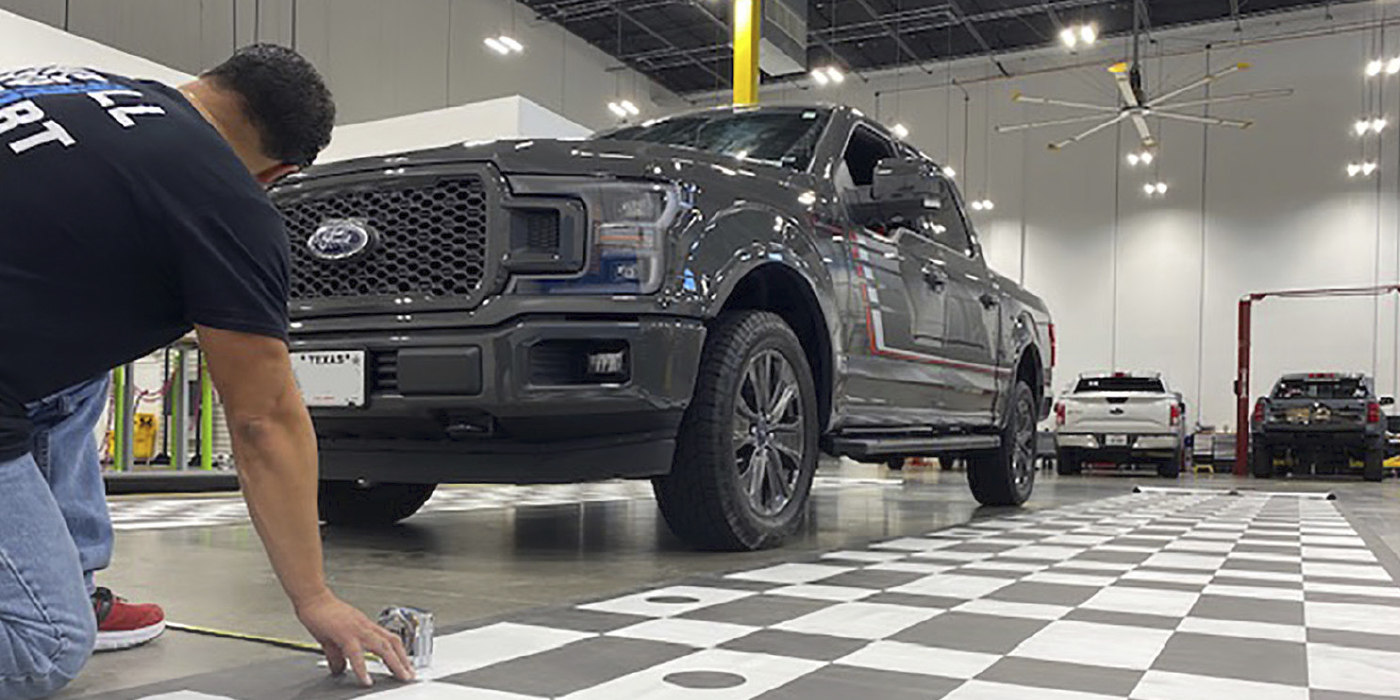
Static calibration takes place in a controlled workshop environment. It may involve specialized targets, precise measurements, scan tools, and carefully controlled distances.
The exact setup depends on the vehicle manufacturer and the system being calibrated.
Dynamic Calibration
Dynamic calibration involves driving the vehicle under specified conditions so the system can collect information and complete its calibration process.
The required road conditions, speed, distance, weather, and other factors can vary. Technicians should follow the manufacturer's instructions rather than assuming that a standard drive will work for every vehicle.
Some vehicles or systems may require a combination of procedures.
When Mobile Calibration Can Be Useful
Mobile calibration services can provide convenience when the vehicle needs attention at a location other than a traditional repair facility.
For example, a vehicle owner may have windshield work completed at home or at a workplace and then need an appropriate ADAS inspection or calibration procedure. A properly equipped mobile technician may be able to perform applicable services on-site.
However, mobile service is not automatically suitable for every vehicle or calibration requirement. The technician should confirm the vehicle's specifications, equipment requirements, workspace conditions, and applicable manufacturer procedures before performing the work.
Practical Steps for Vehicle Owners
If you suspect that your vehicle needs calibration, a few simple steps can make the process easier.
- Check the dashboard: Look for ADAS-related warnings or messages.
- Review recent repairs: Note windshield, collision, bumper, suspension, steering, or sensor work.
- Inspect sensor areas: Make sure accessible cameras and sensors are not blocked by dirt, snow, or ice.
- Avoid guessing: Do not assume calibration is the solution without proper diagnosis.
- Ask about manufacturer requirements: Calibration procedures differ between vehicles.
- Use qualified equipment: Calibration requires appropriate tools and accurate measurements.
- Keep repair records: Documenting previous work can help technicians diagnose later issues.
These steps can help prevent unnecessary delays and make it easier to identify the correct service.
Why Professional Calibration Matters
ADAS technology is closely connected to vehicle safety systems. Calibration therefore requires more than simply clearing a dashboard warning.
A technician needs to understand the vehicle's sensors, mounting locations, diagnostic requirements, calibration targets, and manufacturer procedures. Proper measurements are also important because small positioning errors can affect how sensors interpret their environment.
For vehicle owners, the goal should be accurate diagnosis and manufacturer-compliant service rather than simply getting a warning message to disappear.
Conclusion
ADAS technology can provide valuable assistance, but these systems depend on accurately positioned and functioning cameras and sensors. Warning messages, unusual lane-assistance behavior, collision alerts, adaptive cruise control changes, windshield replacement, and recent collision repairs are all reasons to consider an inspection. The appropriate response depends on the vehicle and the specific system involved. By paying attention to changes in system behavior, keeping track of repairs, and using qualified technicians who follow manufacturer procedures, vehicle owners can address calibration needs responsibly and keep their driver-assistance technology operating as intended.
FAQs
1. What is ADAS calibration?
ADAS calibration adjusts or verifies vehicle cameras, radar, and related sensors so they operate according to the vehicle manufacturer's specifications.
2. Does windshield replacement require ADAS calibration?
It can. If a windshield-mounted ADAS camera is removed or disturbed during replacement, the manufacturer may require calibration afterward.
3. Can a collision affect ADAS calibration?
Yes. A collision can shift sensors, brackets, cameras, or other components. Even when damage looks minor, the applicable ADAS systems may need inspection.
4. How often should ADAS calibration be performed?
There is no universal time interval for every vehicle. Calibration is generally associated with specific repairs, component replacement, sensor movement, or manufacturer-specified service requirements.
5. Can ADAS calibration be performed at my location?
Some calibration procedures can be performed through mobile service, depending on the vehicle, equipment, environment, and manufacturer's requirements. A technician should confirm whether the specific vehicle is suitable for mobile calibration.
Comments