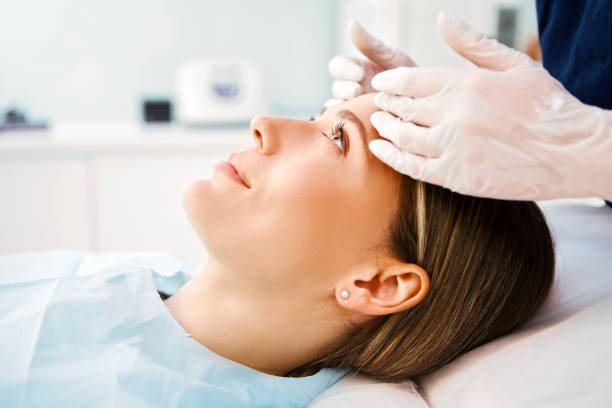
You've probably stood in a drugstore aisle staring at a shelf full of glycolic pads, lactic acid serums, and "professional-strength" peel kits, wondering if any of it actually works or if you're just paying for clever packaging. It's a fair question. The difference between a $25 at-home kit and a $150 clinic appointment isn't always obvious, and nobody wants to waste money going either direction. If you're weighing your options and you're somewhere in Florida, getting a Chemical Peel in Jacksonville FL from a licensed aesthetician is genuinely different from what you can do at home. Not just in price. In chemistry, in safety, and in results. This article breaks it all down honestly so you can decide what actually fits your skin goals.
The Chemistry Gap Is Bigger Than You Think
At-home exfoliation kits are formulated to be safe for unsupervised use. That sounds fine until you realize it means the acid concentrations are deliberately kept low. Most over-the-counter glycolic or salicylic acid products sit somewhere between 5% and 10% concentration, sometimes a bit higher for "advanced" versions. Clinic-grade peels? Those often start at 20% and go well past 50% for certain treatments. That's not a small gap.
pH level matters just as much as concentration. Acids work by lowering the skin's surface pH, which breaks down the bonds holding dead skin cells together. At-home products are typically buffered to a pH of around 3.5 or higher, which limits how deep they penetrate. Professional formulas can go lower, which means they actually reach the layers where real change happens. Surface glow versus actual skin renewal. That's the honest difference.
Penetration depth also ties directly to what problems each option can actually fix. Shallow exfoliation handles surface stuff. Deeper acids reach the dermis, where collagen lives. Understanding how chemical peels work at a cellular level makes it clear why concentration and pH aren't just marketing numbers. They determine what the product can physically do to your skin.
Real Risks of Going the DIY Route
Plenty of people use at-home kits without incident. But the risks are real and worth knowing before you start. Uneven application is probably the most common problem. You're applying acid to your own face, which means you're likely pressing harder in some spots, missing patches near your hairline or jaw, and leaving product on longer than the instructions say because you got distracted. That unevenness shows up as blotchy results or, worse, localized irritation.
Over-exfoliation is sneaky. You use a glycolic toner every night, then add a peel pad twice a week, then layer a Vitamin C serum on top. Each product alone might be fine. Combined, they strip your barrier faster than it can repair itself, and you end up with redness, sensitivity, and breakouts that look suspiciously like the problems you were trying to fix. Nobody's there to tell you to stop.
Allergic reactions are the scariest scenario. Not common, but not rare either. At a clinic, a provider can spot early signs of a reaction and neutralize the peel immediately. At home, you're on your own. That's a meaningful difference if your skin decides to respond badly.
What At-Home Products Actually Handle Well
Here's where I'll give at-home kits some credit. They're genuinely useful for the right problems. Surface dullness responds well to regular, gentle exfoliation. Mild texture, like rough patches or slight bumpiness, can improve noticeably over a few weeks of consistent use. Clogged pores and minor congestion also respond to salicylic acid products pretty reliably.
Maintenance is another solid use case. If you've had a professional Chemical Peels Treatment in Jacksonville FL and your skin is in a good place, an at-home product can help you hold onto those results between appointments. Think of it as upkeep rather than treatment. That framing actually makes the drugstore shelf make a lot more sense.
The key is being realistic. If your goal is to look a little fresher and your skin is generally healthy, you don't necessarily need a clinic visit. But if you're chasing a specific outcome, it's worth being honest with yourself about whether a low-concentration product can get you there.
What Only a Licensed Provider Can Do
A good aesthetician does a lot more than apply acid and set a timer. The session starts with an actual skin assessment. They're looking at your skin type, checking for active breakouts or compromised barrier function, and deciding which peel formula and strength makes sense for you that day. That's not something a kit can do.
Neutralization timing is a real skill. Leaving a peel on too long or too short changes the outcome significantly. Providers watch how your skin responds in real time and neutralize when the timing is right for your skin, not based on a generic countdown on a box. If you're dealing with hyperpigmentation, acne scarring, or fine lines, that precision actually matters for getting results without damaging your skin.
Post-procedure care guidance is also something you only get in a clinic setting. Knowing what to avoid in the 48 hours after a peel, which products to use and which to put away, makes a real difference in how your skin heals. Angel Brows And Aesthetics is one place in Jacksonville where that kind of thorough, hands-on approach is part of what you're paying for, not an afterthought.
Side-by-Side: Cost, Downtime, and Realistic Results
Let's be practical. Here's a straightforward comparison across the factors that actually matter when you're making this decision.
Cost: At-home kits run $15 to $60 for a single product. A professional Chemical Peels Treatment in Jacksonville FL typically costs $100 to $250 per session, sometimes more for deeper peels.
Downtime: Most at-home products cause zero visible peeling or redness if used correctly. Clinic peels can cause 2 to 5 days of flaking or redness depending on depth.
Safety margin: At-home products are designed for low risk. Clinic peels carry more potential for side effects but also come with a professional managing those risks in real time.
Realistic results: At-home options give gradual, mild improvement over weeks to months. A single professional session can produce visible change in days, and a series of sessions can address concerns that no over-the-counter product will touch.
Skin concerns addressed: Home kits work for maintenance and mild surface issues. Clinic peels are the better call for hyperpigmentation, scarring, deeper texture issues, and more stubborn skin concerns.
Neither option is universally better. They serve different purposes. The mistake most people make is using a home kit for a problem that needs a clinic, then deciding "peels don't work" based on that experience.
Frequently Asked Questions
Can I use at-home exfoliation kits and get professional peels at the same time?
Usually, yes, but you need to coordinate them. Most providers will tell you to stop using active at-home acids for at least a week before a professional peel. Using both at the same time increases the risk of over-exfoliation and barrier damage. Ask your aesthetician what they recommend for your specific routine.
How often should I get a Chemical Peel in Jacksonville FL from a professional?
For superficial peels, most providers suggest a series of 4 to 6 sessions spaced about 3 to 4 weeks apart. After that, a maintenance session every couple of months is pretty common. Deeper peels are done less frequently and require longer recovery time between sessions.
Are at-home peel kits safe for sensitive skin?
Some are, but you have to read the label carefully. Look for lower concentrations and avoid products with multiple active acids combined. A patch test is non-negotiable. Honestly, if your skin is reactive or you've had bad experiences with acids before, a clinic visit makes more sense because you'll have someone monitoring your reaction.
What's the biggest mistake people make with at-home exfoliation?
Using too many actives at once. Layering a peel, a retinol, and a strong Vitamin C serum in the same routine is a recipe for a damaged skin barrier. More product doesn't mean faster results. It usually means more irritation and a longer recovery.
How do I know if my skin concern needs a professional or if I can handle it at home?
Surface dullness, mild rough texture, and minor clogged pores are fair game for at-home treatment. Anything deeper, like dark spots from acne, melasma, visible scarring, or persistent uneven skin tone, is worth getting a professional opinion on before you start throwing acids at it on your own.
The bottom line is pretty simple: know what your skin actually needs, be honest about what a low-concentration product can realistically do, and don't let sticker shock on a clinic appointment push you toward a solution that isn't built for your problem.
Comments