How Does A Photofacial Compare With Other Skin Treatments?
Uneven skin tone, sun spots, redness, and visible pores can make otherwise healthy skin look tired. Choosing the right treatment, however, is not always straightforward because different procedures target different concerns. An Ipl photofacial uses pulses of broad-spectrum light to address several common pigmentation and redness concerns at once. Comparing it with lasers, chemical peels, and microneedling can help you decide which approach best matches your skin goals.
What Is a Photofacial?
A photofacial is a cosmetic skin treatment designed to improve the appearance of several common skin concerns. Many treatments use intense pulsed light, commonly called IPL, to deliver controlled light energy into the skin. The light is absorbed by specific targets, including excess pigment and certain visible blood vessels.
Unlike treatments that focus mainly on removing the outermost layer of skin, IPL works through light energy. The procedure can help create a more even-looking complexion without extensive peeling or prolonged downtime.
Treatment plans vary according to skin type, the condition being treated, and the device used. A qualified skincare professional should assess the skin before treatment and determine whether the procedure is appropriate.
Which Skin Concerns Can IPL Address?
IPL is often selected by people who want to improve several visible signs of sun exposure and uneven complexion at the same time. Its versatility is one reason it remains a popular option in aesthetic skincare.
Sun Spots and Uneven Pigmentation
Brown spots can develop after years of sun exposure. IPL targets pigment in these areas, and treated spots may gradually become darker before they flake or fade as the skin naturally sheds them.
Several sessions may be recommended rather than expecting every spot to disappear after one appointment. Consistent sun protection is also essential because new pigmentation can develop with continued ultraviolet exposure.
Facial Redness and Visible Blood Vessels
Certain forms of facial redness and small visible blood vessels can also respond to IPL. The light energy is absorbed by blood vessels, which can cause them to become less noticeable over time.
Results depend on the cause and severity of redness. Persistent or unexplained redness should be evaluated by a medical professional rather than treated solely as a cosmetic concern.
Overall Skin Tone
A photofacial may help create a more uniform-looking complexion by addressing pigmentation differences and some forms of redness. Some people also notice that their skin appears brighter after completing a treatment series.
That improvement should not be confused with a complete solution for every skin concern. Conditions involving deeper scarring, significant wrinkles, or substantial skin laxity may require another approach.
How Does IPL Compare With Laser Treatments?
Laser treatments and IPL are sometimes discussed as though they are interchangeable, but they use light energy differently. Lasers generally produce a more concentrated wavelength or range of wavelengths, whereas IPL uses a broader spectrum of light.
This distinction allows certain lasers to target specific concerns with considerable precision. Depending on the device and treatment settings, lasers may be selected for pigmentation, vascular concerns, resurfacing, acne scars, wrinkles, or other conditions.
IPL Versus Ablative Lasers
Ablative lasers remove controlled layers of the skin. They can provide significant resurfacing results for selected concerns, including certain scars and pronounced signs of sun damage.
However, stronger resurfacing treatments usually involve more downtime. Skin may experience redness, swelling, peeling, or sensitivity during recovery, so patients need to follow aftercare instructions carefully.
IPL generally offers a less aggressive approach for concerns such as pigmentation and redness. The trade-off is that it may not provide the same degree of resurfacing as an ablative laser.
IPL Versus Non-Ablative Lasers
Non-ablative lasers work beneath the skin's surface without removing the same amount of tissue as ablative procedures. Some are designed to stimulate collagen, improve texture, or target pigmentation.
The best choice depends on the specific concern and the patient's skin characteristics. A professional may recommend one technology over another based on the depth of the problem, desired results, recovery preferences, and risk of pigment changes.
How Does IPL Compare With Chemical Peels?
Chemical peels use a carefully selected chemical solution to exfoliate the skin. The depth of the peel can range from superficial to deeper treatments, depending on the ingredients and concentration.
A superficial peel may improve dullness, mild discoloration, and uneven texture. Stronger peels can create more noticeable changes but also require greater recovery and professional supervision.
Advantages of IPL
IPL can be appealing for people whose main concerns involve sun spots, uneven pigmentation, and certain types of redness. It does not rely on chemical exfoliation and usually does not produce the same type of visible peeling associated with many chemical peels.
Advantages of Chemical Peels
Chemical peels can be useful when surface buildup, dull texture, or certain forms of acne-related skin changes are the main concerns. Different acids and formulations can be selected according to the treatment goal.
The two approaches can sometimes serve different purposes rather than compete directly. A skincare professional may determine that one treatment is more suitable, or that treatments should be spaced apart as part of a broader skincare plan.
How Does IPL Compare With Microneedling?
Microneedling takes a different approach. It uses very fine needles to create controlled micro-injuries in the skin, encouraging the body's natural repair response and supporting collagen production.
This treatment is commonly considered for concerns such as uneven texture, fine lines, and certain acne scars. Unlike IPL, its primary purpose is not to target pigment through light absorption.
Texture Versus Pigmentation
Microneedling can be particularly useful when texture and collagen-related concerns are the main priority. IPL may be more appropriate when visible sun spots, pigmentation, or selected vascular concerns are the primary issue.
People with multiple concerns may need a customized treatment plan rather than a single procedure. Combining procedures is not automatically better, though, and treatments should only be combined under appropriate professional guidance.
What Are the Main Benefits of a Photofacial?
The appeal of IPL comes from its ability to address several common complexion concerns with relatively limited disruption to the skin. Individual results vary, but potential advantages include:
- Improvement in the appearance of sun-related pigmentation
- Reduction in the appearance of certain superficial blood vessels
- More even-looking skin tone
- Limited downtime compared with some resurfacing procedures
- Treatment that can cover larger facial areas efficiently
- Gradual improvement through a series of treatments
Results are influenced by the device, treatment settings, skin condition, sun exposure, and individual response. Realistic expectations are important because cosmetic procedures improve specific concerns rather than producing perfect skin.
What Should You Consider Before Choosing a Treatment?
Selecting a procedure based solely on popularity can lead to disappointing results. The most suitable treatment should match the concern being treated, your skin characteristics, and the level of recovery you are comfortable with.
Identify the Main Skin Concern
Start by deciding what bothers you most. Brown spots, redness, acne scars, fine lines, enlarged pores, and loose skin may require very different approaches.
A treatment designed primarily for pigmentation may not produce major improvement in deeper acne scars. Clear communication about your goals helps a qualified provider recommend an appropriate option.
Consider Your Skin Type
Skin type and pigmentation level can affect how light-based procedures are selected and performed. Some people have a greater risk of unwanted pigment changes after certain treatments.
A professional assessment is particularly important for anyone considering IPL or laser treatment. Providers may adjust settings, recommend an alternative procedure, or advise against treatment when the potential risks outweigh the expected cosmetic benefit.
Think About Recovery Time
Recovery can influence which procedure fits your lifestyle. Chemical peels, lasers, and microneedling can produce different levels of redness, peeling, swelling, or sensitivity.
IPL often has relatively little downtime, although temporary redness, swelling, darkening of pigmented spots, or other short-term reactions can occur. Patients should follow the specific aftercare instructions provided by their treatment professional.
How Can You Prepare for IPL Treatment?
Good preparation can support a safer treatment experience. Your provider should give you specific instructions based on your skin and the device being used.
Avoid unnecessary tanning and protect exposed skin from sunlight before treatment. Recently tanned skin may increase the risk of complications with some light-based procedures.
Tell the provider about medications, skincare products, recent cosmetic treatments, and any history of unusual reactions. Honest information allows the provider to assess whether treatment should proceed or be postponed.
Do not assume that stopping a medication or skincare product is appropriate on your own. Follow the recommendations of the qualified professional managing your treatment.
What Happens During and After Treatment?
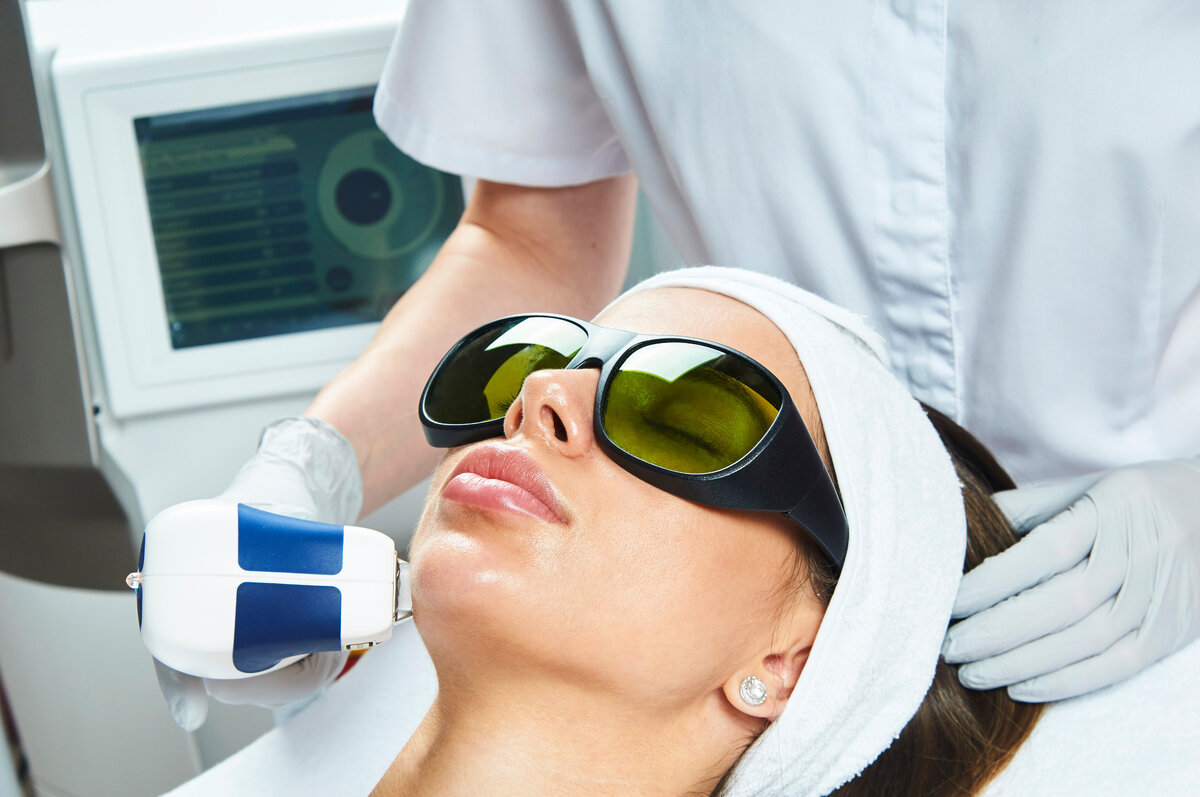
During an IPL session, the provider cleans the treatment area and uses the device to deliver controlled pulses of light. Protective measures, such as appropriate eye protection, are used during treatment.
Patients may describe individual pulses as feeling like brief snaps or warmth. Sensations vary according to the device, treatment area, settings, and individual tolerance.
The skin may look mildly red afterward, and pigmented areas can temporarily appear darker. These effects generally change as the skin responds to treatment, but unusual or severe reactions should receive prompt professional attention.
Why Is Sun Protection Important After Treatment?
Sun protection plays a major role in maintaining results. Ultraviolet exposure can contribute to new pigmentation and ongoing skin damage, which can undermine the cosmetic improvements achieved through treatment.
Use a broad-spectrum sunscreen as directed by your skincare professional, and take practical steps to limit excessive sun exposure. Hats, shade, and protective clothing can provide additional protection when spending time outdoors.
Daily sun protection is useful even after the visible effects of treatment have settled. A consistent routine also supports long-term skin health.
When Should You Choose Another Treatment?
IPL is not automatically the best choice for every person or every concern. Deeper wrinkles, pronounced scars, significant laxity, active skin conditions, or certain types of pigmentation may call for different treatment strategies.
A qualified dermatologist or appropriately trained skincare professional can evaluate the condition and discuss realistic options. Sometimes the safest choice is to treat the underlying condition first rather than immediately pursuing a cosmetic procedure.
People with darker skin tones should also seek a provider experienced in treating their skin type with light-based technologies. Proper assessment and device selection can help reduce the risk of unwanted pigment changes.
How Can You Make a Smart Treatment Decision?
A useful consultation should cover more than the price of a procedure. Ask what concern the treatment is intended to address, what results are realistic, how many sessions may be needed, and what side effects or recovery requirements could occur.
It is also reasonable to ask about the provider's experience with your skin type and the specific device being used. Understanding the treatment plan beforehand can help you compare options based on safety and expected results rather than marketing claims.
Conclusion
Choosing between a photofacial, laser treatment, chemical peel, or microneedling starts with understanding what you actually want to improve. IPL can be a practical option for concerns such as sun-related pigmentation, uneven tone, and certain types of redness, while other procedures may be better suited to scars, texture, wrinkles, or deeper resurfacing needs. Recovery time, skin type, treatment goals, and potential risks all deserve attention. A consultation with a qualified professional can help you identify the most appropriate approach and establish realistic expectations. With the right treatment and consistent sun protection, healthier-looking skin can become a more achievable long-term goal.
Comments