How Does Adas Improve Driver Safety On Busy Roads?
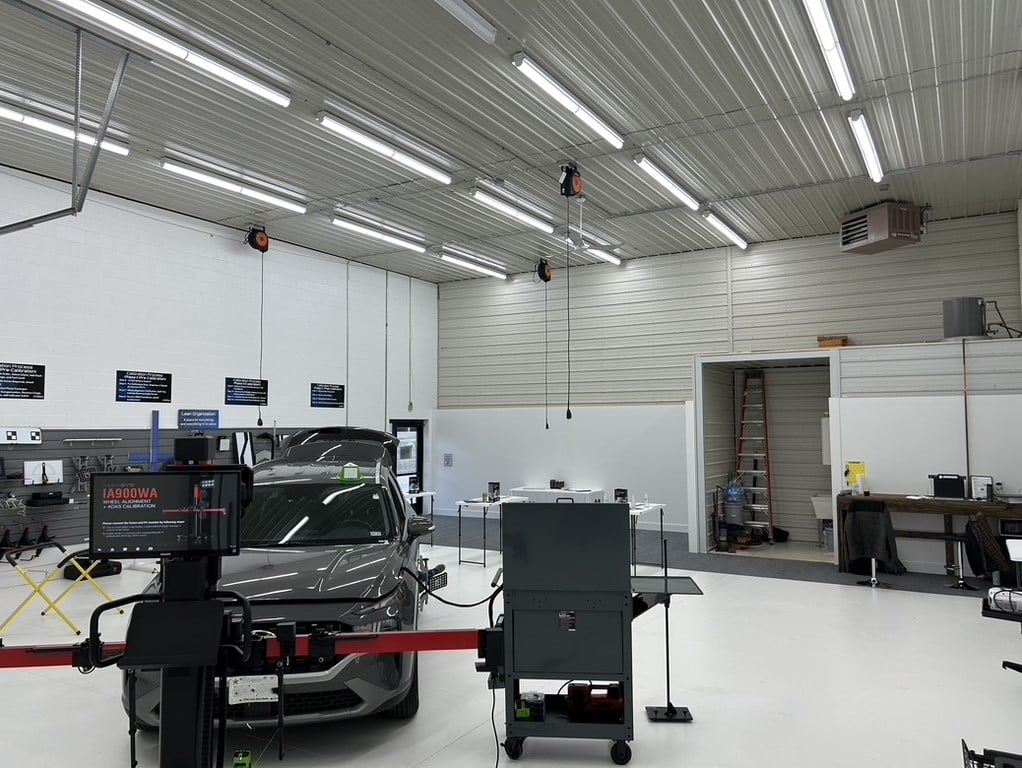
Heavy traffic, sudden lane changes, and distracted drivers make busy roads challenging for everyone. Modern vehicles now include advanced technologies that help drivers respond more effectively to unexpected situations. In crowded driving environments, ADAS solutions provide valuable support by monitoring surroundings and assisting with critical safety functions. These systems help reduce accidents, improve driver awareness, and create a safer driving experience while maintaining driver control behind the wheel.
Understanding The Role Of ADAS In Modern Vehicles
Advanced Driver Assistance Systems, commonly known as ADAS, use sensors, cameras, radar, and software to monitor a vehicle's surroundings. These technologies work together to detect hazards, alert drivers, and sometimes take corrective action when needed.
The primary goal of ADAS is not to replace the driver. Instead, it helps drivers make safer decisions by providing real-time information and support. As traffic becomes more congested across the United States, these systems play an increasingly important role in road safety.
Why Busy Roads Present Unique Safety Challenges
Busy roads expose drivers to a wide range of risks every day. Traffic density increases the chances of sudden braking, unexpected lane changes, and limited reaction times.
Urban highways and crowded intersections often require drivers to process multiple pieces of information simultaneously. Even experienced drivers can miss critical details when dealing with heavy traffic conditions. ADAS technologies help reduce these challenges by continuously monitoring the driving environment.
How Collision Warning Systems Help Prevent Accidents
Forward collision warning is one of the most valuable ADAS features available today. It uses sensors and cameras to monitor the distance between vehicles and detect potential crash risks.
When the system identifies a possible collision, it alerts the driver through visual, audible, or vibration-based warnings. These alerts provide additional reaction time, helping drivers avoid accidents before they occur.
Supporting Drivers During Sudden Traffic Changes
Traffic patterns can change quickly on busy roads. Vehicles may stop unexpectedly due to congestion, construction zones, or accidents ahead.
Collision warning systems continuously track these changes. By notifying drivers earlier than they might notice on their own, the technology helps reduce rear-end collisions and related injuries.
Automatic Emergency Braking Adds An Extra Layer Of Protection
Automatic Emergency Braking, often called AEB, works alongside collision warning technology. When a driver does not respond quickly enough to a detected hazard, the system can automatically apply the brakes.
This feature is especially useful during rush-hour traffic where distractions and limited visibility can increase risks. Although drivers remain responsible for vehicle control, AEB serves as a valuable backup safety measure.
Lane Departure Warning Helps Maintain Proper Positioning
Maintaining lane position becomes more difficult during long drives or periods of heavy traffic. Driver fatigue, distractions, and poor weather conditions can contribute to unintended lane departures.
Lane departure warning systems monitor road markings and notify drivers when the vehicle begins drifting out of its lane without signaling. These alerts encourage immediate correction before a dangerous situation develops.
Lane Keeping Assistance Improves Road Stability
Some ADAS-equipped vehicles include lane keeping assistance. This feature provides gentle steering corrections to help the vehicle remain centered within its lane.
The technology is particularly useful on highways where prolonged driving can lead to reduced concentration. By supporting proper lane positioning, drivers can navigate busy roads with greater confidence.
Blind Spot Monitoring Reduces Hidden Risks
Blind spots remain one of the most common causes of highway accidents. Drivers cannot always see vehicles positioned beside or slightly behind their cars.
Blind spot monitoring systems use sensors to detect nearby vehicles and provide warnings when changing lanes may be unsafe. This additional awareness helps drivers make better decisions during lane transitions.
The feature is especially valuable in high-traffic areas where vehicles frequently move between lanes. Improved visibility contributes directly to safer driving outcomes.
Adaptive Cruise Control Enhances Traffic Management
Traditional cruise control maintains a constant speed regardless of traffic conditions. Adaptive cruise control takes safety a step further by automatically adjusting speed based on surrounding vehicles.
The system uses radar and cameras to maintain a safe following distance. When traffic slows, the vehicle reduces speed automatically. Once traffic clears, the vehicle returns to its preset speed.
This capability reduces driver stress and supports safer vehicle spacing during long periods of highway driving.
Pedestrian Detection Helps Protect Vulnerable Road Users
Busy roads often include pedestrians, cyclists, and other vulnerable road users. Detecting these individuals quickly can be challenging, especially in crowded urban environments.
Pedestrian detection systems identify people crossing or approaching the roadway. If a potential collision is detected, the system alerts the driver and may activate emergency braking if necessary.
This technology improves safety for everyone sharing the road and helps reduce serious accidents involving pedestrians.
Traffic Sign Recognition Improves Driver Awareness
Road signs provide essential information about speed limits, construction zones, and traffic regulations. However, drivers can occasionally miss important signs due to distractions or poor visibility.
Traffic sign recognition systems use cameras to identify and display relevant road signs on the vehicle's dashboard. This feature helps drivers remain informed and compliant with traffic regulations.
Better awareness of road conditions contributes to safer driving decisions, particularly in unfamiliar areas.
The Importance Of Proper Calibration For ADAS Performance
The effectiveness of ADAS depends heavily on accurate calibration. Cameras, sensors, and radar units must be properly aligned to ensure reliable operation.
Vehicle repairs, windshield replacements, suspension changes, and collision damage can affect sensor positioning. Without proper calibration, safety systems may provide inaccurate information or fail to perform as intended.
Situations That May Require Calibration
Several common events can impact system accuracy:
- Windshield replacement
- Collision repairs
- Suspension modifications
- Wheel alignment adjustments
- Sensor replacement
- Structural vehicle repairs
Regular calibration ensures that safety technologies continue operating according to manufacturer specifications.
Benefits Of Professional Calibration Services
Professional calibration technicians use specialized equipment to verify sensor accuracy. They follow manufacturer procedures to ensure each component functions correctly.
Accurate calibration helps maintain reliable alerts, proper braking responses, and dependable lane assistance performance. For businesses involved in vehicle repair and maintenance, calibration services are a critical part of supporting road safety.
How ADAS Helps Reduce Driver Fatigue
Long commutes and heavy traffic can contribute to driver fatigue. Tired drivers often experience slower reaction times and reduced situational awareness.
Many ADAS features reduce the mental workload associated with driving. Adaptive cruise control, lane assistance, and collision alerts provide support during demanding driving situations.
Although these technologies do not eliminate fatigue, they help drivers stay more attentive and aware during extended periods on the road.
Building Driver Confidence In High-Traffic Conditions
Many drivers feel anxious when navigating congested highways or unfamiliar urban areas. Additional safety support can improve confidence without encouraging risky behavior.
ADAS provides consistent monitoring and timely alerts that help drivers feel more prepared for unexpected situations. As a result, drivers can focus more effectively on safe vehicle operation.
Greater confidence often leads to smoother driving habits, improved awareness, and better overall road safety.
Future Developments In Driver Assistance Technology
Vehicle manufacturers continue investing in more advanced safety systems. New developments focus on improving sensor accuracy, processing speed, and environmental awareness.
Future ADAS technologies may offer enhanced object recognition, improved performance in adverse weather conditions, and more sophisticated traffic management capabilities. These advancements will further strengthen vehicle safety and support drivers in increasingly complex traffic environments.
Conclusion
Busy roads demand constant attention, quick reactions, and strong situational awareness. ADAS technologies help drivers manage these challenges by providing alerts, monitoring traffic conditions, and supporting safer decision-making. Features such as collision warnings, automatic emergency braking, blind spot monitoring, and lane assistance work together to reduce risks and improve confidence behind the wheel. However, proper calibration remains essential for maintaining system accuracy and performance. As vehicle safety technology continues to advance, ADAS will play an even greater role in helping drivers navigate crowded roads safely while protecting passengers, pedestrians, and other road users.
Comments