How to Choose the Right Contractor for Your Construction Project
Choosing the right General Contractor is one of the most important decisions when planning a home improvement or construction project. A contractor can influence the quality of the work, project organization, timeline, and overall experience. Whether you are planning a renovation, addition, repair, or new project, taking time to understand your needs can help you make a better decision.
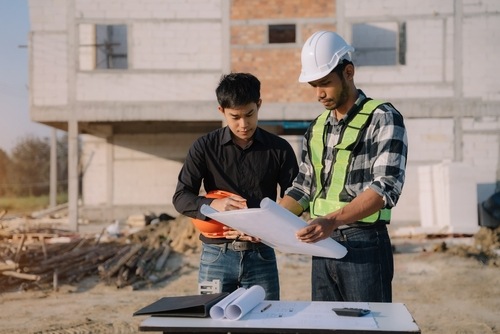
Start With a Clear Project Plan
Before contacting contractors, determine what you want to accomplish. Think about which areas of your property need improvement and what you want the finished space to look like.
A clear project plan does not need to include every technical detail. However, having a general idea of the desired result can make conversations with contractors much easier. It also helps contractors understand the scope of work and prepare more accurate estimates.
Consider the Type of Work Required
Construction projects can vary significantly. Some homeowners may only need interior updates, while others may be planning structural changes, additions, or major renovations.
Make a list of the work you expect to be completed. This can include demolition, framing, flooring, drywall, painting, exterior improvements, or other construction tasks. Having a complete list helps prevent important parts of the project from being overlooked.
Review the Contractor's Experience
Experience can be particularly important for larger construction projects. A contractor who has handled similar work may have a better understanding of common challenges and practical solutions.
Ask about previous projects that are comparable to yours. This can help you understand whether the contractor has experience with the type of work you are considering.
Discuss Your Budget
A realistic budget should be established before construction begins. Your budget should account for labor, materials, preparation, finishing work, and potential changes that may arise during the project.
It is also useful to discuss your priorities. If your budget does not cover every desired improvement, a contractor can help you understand which parts of the project should receive attention first.
Compare Estimates Carefully
When reviewing estimates, do not focus only on the final price. Look at what is included in each estimate.
One contractor may include preparation, cleanup, or specific materials while another may leave those items out. A detailed estimate makes it easier to compare proposals and understand what you are paying for.
Ask About Materials
Materials have a major effect on the final result. Discuss the types of materials that will be used and whether they are appropriate for the specific application.
For example, flooring, drywall, exterior materials, and structural components all have different requirements. The right materials should provide an appropriate balance of durability, appearance, maintenance, and cost.
Understand the Project Timeline
Construction work usually involves multiple stages. Some tasks need to be completed before others can begin.
Ask how the project will be scheduled and what factors could affect the timeline. Weather, material availability, inspections, unexpected repairs, and changes to the project can all influence completion.
Consider Communication
Good communication can make a construction project easier to manage. Homeowners should feel comfortable asking questions and discussing concerns.
Before hiring a contractor, consider how clearly they explain the work. A contractor who communicates project details, schedules, materials, and changes clearly can help reduce confusion throughout the process.
Prepare the Property
The property may need preparation before construction begins. This could include removing furniture, clearing work areas, protecting existing surfaces, or addressing damaged materials.
Preparation requirements depend on the project. Discuss them before work begins so you know what needs to be done and when.
Plan for Unexpected Issues
Existing properties can sometimes contain problems that are not visible at first. Hidden moisture, damaged framing, outdated materials, or other conditions may become apparent after work begins.
A flexible budget and realistic expectations can help homeowners handle unexpected issues. Discuss how changes will be communicated and approved before construction starts.
Think About Long-Term Results
A construction project should be planned around long-term use rather than appearance alone. Materials and design choices should fit the way the property will be used.
Consider maintenance requirements, durability, cleaning, future repairs, and changing household needs. A practical design can remain useful for years.
Coordinate Different Construction Tasks
Larger projects may require several types of work. Framing, drywall, flooring, electrical work, plumbing, painting, and exterior construction may all need to be coordinated.
The order of these tasks matters. Good project planning helps ensure that one stage does not interfere with another.
Focus on Workmanship
Quality workmanship is important regardless of the size of a project. Even simple improvements can look unfinished when installation and finishing are not handled carefully.
Pay attention to details such as measurements, alignment, seams, transitions, edges, and final finishes. These details can have a noticeable impact on the finished space.
Ask About Cleanup
Construction can produce dust, debris, and leftover materials. Ask how cleanup will be handled during and after the project.
Regular cleanup can make the work area safer and more organized. Final cleanup also helps homeowners enjoy the completed space without having to deal with unnecessary construction debris.
Know What to Expect From General Construction
Homeowners planning General Construction should consider the complete scope of the project rather than focusing on individual tasks. Construction may involve planning, site preparation, structural work, installation, finishing, and cleanup.
A well-organized approach can help connect these stages and keep the project moving efficiently. Discussing the entire scope with Lukas Construction of PA can help homeowners in Allentown understand the work involved before construction begins.
FAQs
1. What should I discuss with a contractor before starting a project?
Discuss the project scope, budget, materials, timeline, preparation requirements, communication process, and expected completion.
2. How many contractor estimates should I compare?
Comparing several estimates can help you understand pricing and included services. Focus on the details of each proposal rather than choosing solely based on the lowest price.
3. Why is project planning important?
Planning helps organize materials, labor, scheduling, and different stages of construction. It can also help identify potential problems before work begins.
4. Can construction plans change during a project?
Yes. Existing conditions or homeowner preferences may require changes. Any changes should be discussed clearly so their effect on cost and schedule is understood.
5. What makes a construction project successful?
Clear planning, appropriate materials, good communication, careful coordination, and quality workmanship all contribute to a successful project.
Conclusion
Choosing the right contractor requires more than comparing prices. Homeowners should consider experience, communication, materials, scheduling, project scope, and long-term results before making a decision. Lukas Construction of PA provides construction and remodeling solutions for homeowners in Allentown, PA, with an approach focused on practical planning and quality workmanship.
Comments