Solar EV Charger: A Smarter Way to Power Your Electric Vehicle
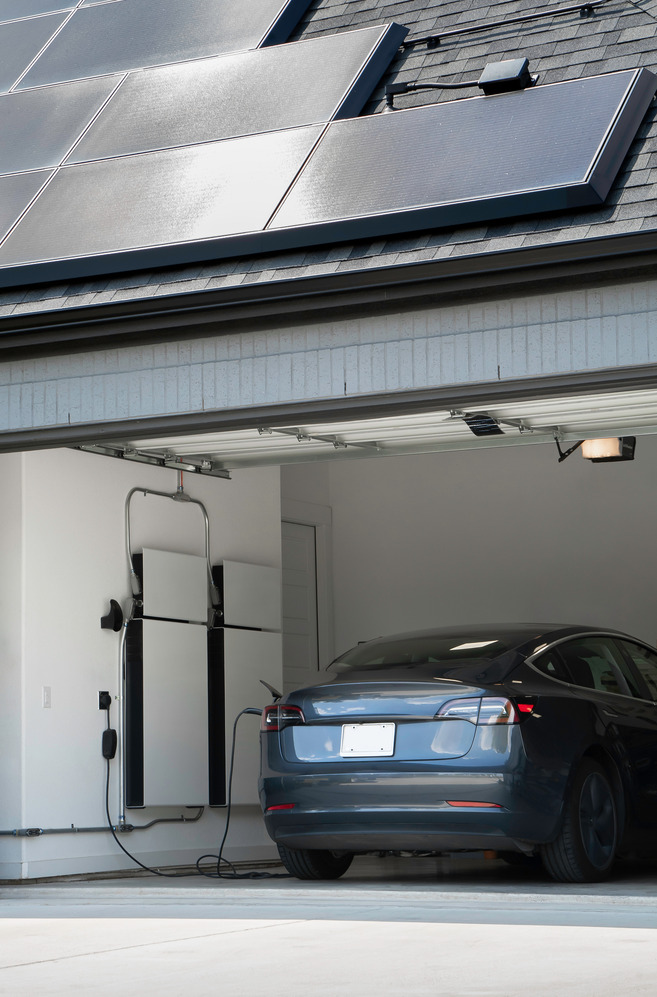
The growing popularity of electric vehicles has created a greater need for convenient, affordable and sustainable charging solutions. Homeowners are increasingly looking for ways to charge their vehicles without depending entirely on electricity from the grid. A solar EV charger offers an efficient approach by combining solar energy with electric vehicle charging. Instead of using only conventional electricity, a solar-powered charging setup can use energy generated by rooftop panels to charge an EV during suitable daylight hours. This can help households make better use of their renewable energy system while potentially reducing their dependence on grid electricity. As solar technology continues to improve, integrating EV charging with home energy systems is becoming an attractive option for environmentally conscious drivers.
What Is a Solar EV Charger?
A solar EV charger is a charging system designed to work with solar power generated by photovoltaic panels. Solar panels produce electricity during daylight, and that energy can be directed toward household appliances, battery storage or an electric vehicle. Depending on the system design, surplus solar generation can be used to charge the vehicle rather than being sent back to the grid. This creates a more connected home energy setup where solar generation and vehicle charging can work together. Smart charging technology can also monitor solar production, household consumption and vehicle requirements to determine when charging should take place. The result is a more flexible charging experience that can make renewable energy more useful for everyday transportation.
How Solar EV Charging Works
The basic process begins with solar panels installed on a property. When sunlight reaches the panels, they generate direct current electricity, which is converted into usable alternating current through an inverter where required. The home's energy management system can then distribute available electricity between household appliances and the vehicle charger. A smart charger can adjust charging according to available solar generation and the vehicle's charging needs.
During periods of strong sunlight, more solar electricity may be available for vehicle charging. When solar production decreases, the system can reduce charging or use grid electricity, depending on the settings selected by the homeowner. Some advanced systems can also work with home batteries, allowing stored solar energy to contribute to EV charging later in the day.
Key Benefits of Solar EV Charging
Using renewable energy for vehicle charging can provide several practical advantages. One of the biggest benefits is the opportunity to use electricity generated directly at home. This can reduce reliance on external charging stations for drivers who have suitable home parking and charging facilities.
A solar EV charger can also make better use of excess solar generation. Instead of exporting all unused electricity to the grid, homeowners can direct a portion of their solar energy toward vehicle charging. For people who drive regularly, this can turn an electric vehicle into another useful destination for household renewable energy.
Other important benefits include:
- Greater use of self-generated solar electricity
- Convenient home charging
- Potentially lower charging expenses
- Reduced dependence on grid electricity
- Better integration between solar panels and EVs
- Smart scheduling based on energy availability
- Support for cleaner everyday transportation
Solar EV Charger and Energy Savings
Energy costs are an important consideration for EV owners. Charging a vehicle at home can already be convenient, but the cost of electricity used for charging depends on the energy source and electricity tariff. Solar generation can provide an additional opportunity to reduce the amount of grid electricity required.
The actual savings depend on factors such as solar system size, vehicle battery capacity, driving habits, local sunlight conditions and household electricity rates. A driver who regularly charges during sunny periods may be able to use a significant portion of available solar generation. However, charging requirements vary from one vehicle to another, so homeowners should consider their typical daily driving distance before selecting equipment.
Components of a Solar EV Charging System
A complete system can include several important components. Solar panels are responsible for generating electricity, while an inverter manages the conversion of electricity into a form suitable for household use. The EV charger transfers electricity to the vehicle's battery, and smart energy management equipment can control how electricity is distributed.
| Component | Main Function |
|---|---|
| Solar Panels | Generate electricity from sunlight |
| Inverter | Converts and manages solar electricity |
| EV Charger | Transfers electricity to the vehicle |
| Smart Energy Controller | Manages charging and energy usage |
| Home Battery | Stores surplus energy for later use |
| Monitoring System | Tracks generation and consumption |
The exact combination depends on the property's existing electrical system, solar installation and vehicle requirements. A professional assessment can help determine which components are necessary and whether existing equipment can support EV charging.
Choosing the Right Charger
Selecting the right charger requires more than simply choosing the highest charging speed. Homeowners should consider their vehicle's maximum charging capacity, available electrical supply, solar system size and typical driving schedule. A charger with smart controls can be especially useful because it can respond to changing solar production.
Installation location is another important consideration. The charger should be positioned where the charging cable can comfortably reach the vehicle without creating unnecessary obstacles. Outdoor installations may require suitable weather protection and equipment designed for the installation environment.
It is also useful to consider future needs. A homeowner may currently have one electric vehicle but could eventually add another EV or increase solar generation. Choosing a flexible energy management system can make future upgrades easier.
Smart Charging Features
Modern charging technology can provide more control than basic plug-in charging. Smart systems can monitor electricity production and automatically adjust charging power. For example, when household electricity consumption increases, the charger can reduce its demand. When solar production rises, charging can increase if sufficient energy is available.
Scheduled charging is another useful feature. Vehicle owners can choose specific charging periods based on their daily routine or electricity pricing. Some systems may also provide mobile monitoring, allowing users to check charging activity and energy consumption remotely.
These features can make EV charging more convenient while helping homeowners manage how their renewable electricity is used throughout the day.
Solar EV Charger With Home Battery Storage
Adding battery storage can make a solar-powered charging system even more flexible. Solar panels generally generate the most electricity during daylight hours, while many drivers may need to charge their vehicles after work or in the evening. A home battery can store some excess solar electricity during the day and make it available later.
However, using a battery for EV charging involves additional equipment and investment. Homeowners should compare the cost of storage with expected energy usage and charging requirements. In some cases, direct solar charging during the day may be the simplest solution, while other households may benefit from combining solar generation, battery storage and smart vehicle charging.
Installation Considerations
Before installing a charger, the property's electrical capacity should be assessed. The installation may require dedicated electrical circuits, appropriate protection equipment and compliance with applicable electrical requirements. The existing solar system should also be reviewed to determine how much energy it can provide.
The location of the electrical switchboard, solar inverter, parking area and vehicle charging point can affect installation complexity. Cable distance and property layout may also influence the overall installation requirements.
Professional installation is important because EV chargers can operate at substantial electrical loads. Proper equipment selection, wiring and protective measures help create a safer and more reliable charging system.
Is Solar EV Charging Suitable for Every Home?
Not every property will have the same requirements. Homes with limited roof space, shading issues or restricted electrical capacity may need a different approach. Likewise, drivers who travel long distances every day may have different charging requirements from those who drive only short distances.
The size of the solar system also matters. A small solar installation may not generate enough surplus electricity to cover all vehicle charging needs. This does not make solar charging impossible, but it may mean that the vehicle uses a combination of solar and grid electricity.
A professional evaluation can help homeowners understand expected solar production, charging demand and available electrical capacity before making an investment.
Future of Solar-Powered EV Charging
The connection between renewable energy and electric transportation is expected to become increasingly important. As more households adopt EVs, smart energy management can help coordinate solar generation, home electricity consumption, battery storage and vehicle charging.
Future systems may provide increasingly sophisticated control over when vehicles charge, where energy comes from and how stored electricity is distributed. Vehicle-to-home and vehicle-to-grid technologies may also provide additional opportunities for compatible EVs to interact with household energy systems.
These developments could make electric vehicles more than just transportation devices. They may become an integrated part of a home's wider energy network.
Tips for Getting Better Results
Homeowners considering this type of setup can follow a few practical steps:
- Review your current solar system before purchasing a charger.
- Check your EV's charging capacity and connector requirements.
- Consider how many kilometres you typically drive each day.
- Compare smart and standard charging options.
- Assess whether battery storage would provide additional value.
- Choose an appropriate installation location.
- Have electrical capacity assessed before installation.
- Consider future EV and solar expansion plans.
- Monitor energy usage after installation to understand performance.
Conclusion
A solar EV charger can connect renewable energy generation with electric transportation, giving homeowners a practical way to use more of the electricity produced by their solar system. By directing suitable solar generation toward vehicle charging, households can potentially reduce grid dependence while making home charging more convenient. Smart charging features can further improve energy management by adjusting charging according to solar availability and household demand. The best setup depends on the vehicle, solar capacity, property layout, electrical infrastructure and driving habits. With careful planning and professional installation, solar-powered EV charging can become an efficient part of a modern home energy system and support a cleaner approach to everyday mobility.
Location:- Perth , Western Australia
https://www.energy.gov.au/solar
Comments