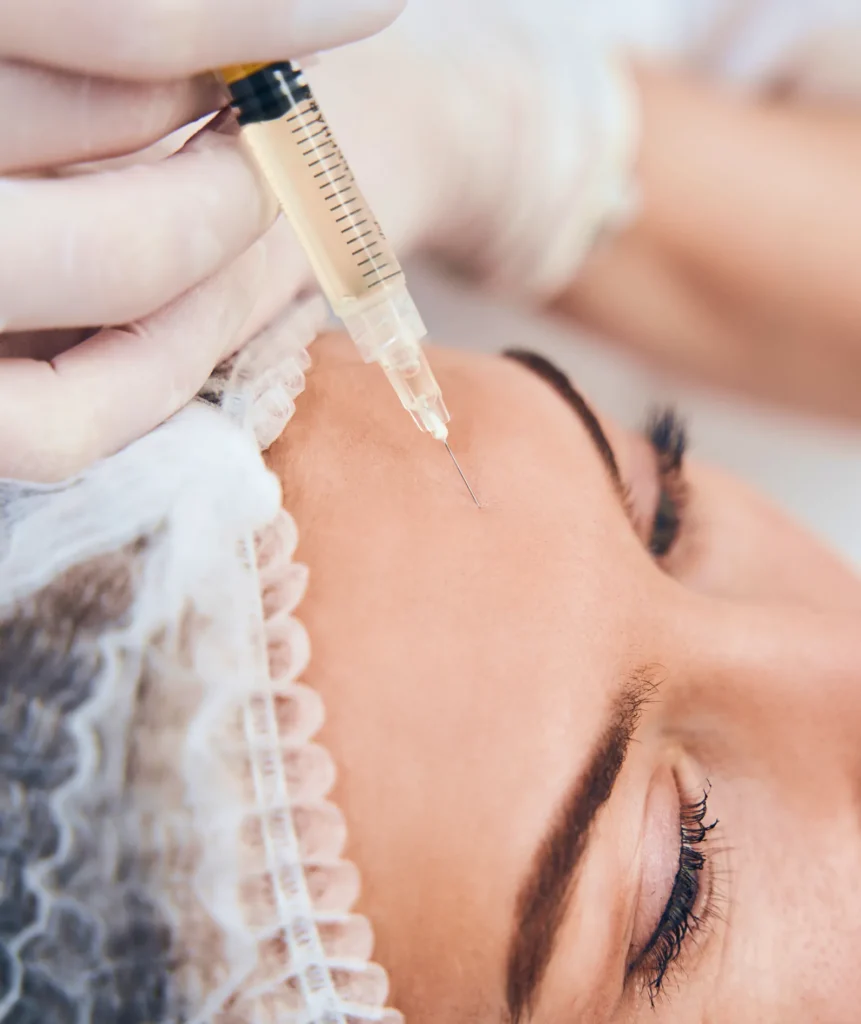
Regenerative medicine is an evolving area of healthcare that investigates ways to support tissue repair, cellular function, and recovery from selected medical conditions. Stem cell research has attracted interest because of the potential role these cells may play in tissue development, repair, and biological processes. For individuals exploring modern healthcare approaches, Stem Cell Therapy in Dubai provides an opportunity to learn about regenerative medicine, its current applications, and the importance of evidence-based treatment decisions.
At Biolite clinic dubai, individuals can explore information about regenerative health options and discuss whether particular approaches may be appropriate for their circumstances. Understanding the science, potential limitations, safety considerations, and available evidence is essential before considering any stem cell-related procedure.
Understanding Stem Cell Therapy in Dubai
Stem cells are cells with the ability to develop into certain specialized cell types under appropriate biological conditions. Depending on their source and characteristics, they may also support tissue maintenance and influence cellular signaling. These properties have made stem cells an important subject of scientific research.
Stem Cell Therapy in Dubai refers to treatment approaches involving stem cells or stem cell-derived products. However, different procedures can vary substantially in their scientific evidence, regulatory status, intended use, and potential risks.
It is important to understand that not every treatment marketed as regenerative medicine has been demonstrated to be effective. The suitability of a procedure depends on the specific medical condition, the type of product involved, and the quality of the available clinical evidence.
How Stem Cells Function in the Body
Stem cells contribute to several biological processes, including the development and maintenance of tissues. Some stem cell populations can renew themselves and produce particular types of specialized cells. Others may release signaling molecules that influence nearby cells and their surrounding environment.
Researchers are investigating these mechanisms to understand whether particular cell-based approaches could support treatment for certain diseases or injuries. However, laboratory findings do not automatically translate into proven clinical benefits.
The behaviour of stem cells depends on their biological source, preparation, delivery method, and the environment into which they are introduced. These variables make careful research and controlled clinical evaluation essential.
Potential Applications of Regenerative Medicine
Regenerative medicine includes several approaches designed to investigate or support tissue repair and biological function. Some applications have established medical uses, while others remain experimental.
Blood and Immune System Disorders
Certain blood-forming stem cell transplants are established treatments for selected blood cancers, bone marrow disorders, and other serious conditions. These procedures are performed within specialized medical settings and require careful patient selection and monitoring.
Their established role should not be interpreted as evidence that stem cell treatments are effective for unrelated conditions.
Tissue Repair Research
Researchers are studying whether specific cell-based interventions could contribute to tissue repair following injury or disease. Investigations include how cells interact with damaged tissues, influence inflammation, and affect the surrounding cellular environment.
Many applications remain under investigation, and their benefits, limitations, and long-term outcomes must be evaluated through appropriate clinical trials.
Regenerative Approaches in Other Medical Fields
Stem cell research extends into several areas of medicine, including selected neurological, musculoskeletal, and degenerative conditions. Progress varies considerably between applications.
Patients should seek condition-specific evidence and understand whether a proposed intervention is an established treatment, available within an authorized clinical trial, or still experimental.
The Importance of Individualized Medical Assessment
An individualized assessment is important before considering any regenerative procedure. A healthcare professional may review medical history, current symptoms, existing diagnoses, medications, previous treatments, and relevant diagnostic findings.
This process helps determine the appropriate next steps and whether a proposed intervention has a reasonable evidence base for the condition being considered.
At Biolite clinic dubai, individuals exploring regenerative health options should seek clear information about the proposed procedure, its intended purpose, and the evidence supporting its use. A responsible consultation should also explain alternative treatments and whether standard medical care remains the most appropriate option.
Safety and Regulatory Considerations
Stem cell-related interventions can carry risks, including infection, immune reactions, contamination, unwanted tissue growth, and complications associated with the delivery procedure. The level of risk depends on the cell source, manufacturing and processing methods, route of administration, and the patient's medical circumstances.
Unproven treatments may also delay effective care or create significant financial costs without demonstrated benefits. Claims that a procedure can cure multiple unrelated diseases, reverse ageing, or guarantee tissue regeneration should be evaluated carefully.
Before proceeding, patients should ask about regulatory authorization, clinical evidence, practitioner qualifications, product preparation, possible adverse effects, and follow-up arrangements. They should also confirm whether the proposed treatment is approved for the specific condition and use in question.
The Role of Scientific Research in Regenerative Health
Scientific research helps establish whether a treatment is safe, effective, and appropriate for a particular population. Early laboratory studies may identify promising mechanisms, while clinical trials evaluate how interventions perform in people.
Researchers assess outcomes such as symptom improvement, functional changes, adverse events, and long-term safety. Reliable evidence requires appropriate study design, sufficient follow-up, and transparent reporting of results.
For this reason, regenerative medicine should be approached with realistic expectations. A promising scientific concept is not the same as a proven treatment, and claims about effectiveness should reflect the quality of the available evidence.
Supporting Health Through Comprehensive Care
Regenerative medicine should be considered within the broader context of healthcare rather than as a replacement for established preventive and therapeutic measures. Appropriate medical assessments, balanced nutrition, regular physical activity, adequate sleep, and management of diagnosed conditions can all contribute to overall health.
The most suitable care plan depends on individual needs and may involve conventional treatment, rehabilitation, specialist evaluation, or participation in an appropriately authorized clinical trial.
Patients should discuss their goals with qualified healthcare professionals and avoid stopping prescribed treatments without medical advice.
Frequently Asked Questions
What is stem cell therapy?
Stem cell therapy involves the use of stem cells in medical treatment. Some applications, such as certain blood-forming stem cell transplants, are established medical procedures, while many other proposed uses remain experimental.
Is stem cell therapy suitable for everyone?
No. Suitability depends on the medical condition, the proposed intervention, available evidence, and the patient's health. A qualified healthcare professional should assess these factors before treatment is considered.
Can stem cell therapy regenerate damaged tissues?
Some stem cell-based treatments have specific established uses, and other applications are being researched. However, tissue regeneration cannot be guaranteed, and evidence varies significantly between conditions and procedures.
What questions should I ask before treatment?
Ask about the evidence for your condition, regulatory authorization, potential risks, expected outcomes, alternative treatments, costs, and follow-up care. Confirm whether the proposed intervention is experimental or an established treatment.
Why is professional guidance important?
Professional guidance helps patients understand the scientific evidence, evaluate risks, and make informed decisions. It also helps ensure that established medical care is not unnecessarily delayed or replaced by an unproven intervention.
Conclusion
Stem cell research continues to expand scientific understanding of cellular function, tissue maintenance, and potential regenerative applications. Although certain stem cell treatments have established medical uses, many other applications require further investigation before their safety and effectiveness can be confirmed.
Biolite clinic dubai can serve as a starting point for exploring regenerative health information and discussing relevant healthcare options. By prioritizing individualized assessment, scientific evidence, appropriate regulatory oversight, and realistic expectations, individuals can make more informed decisions about stem cell-related treatments and their broader health goals.
Comments