Top Questions To Ask Before Hiring A Metal Supplier Firm?
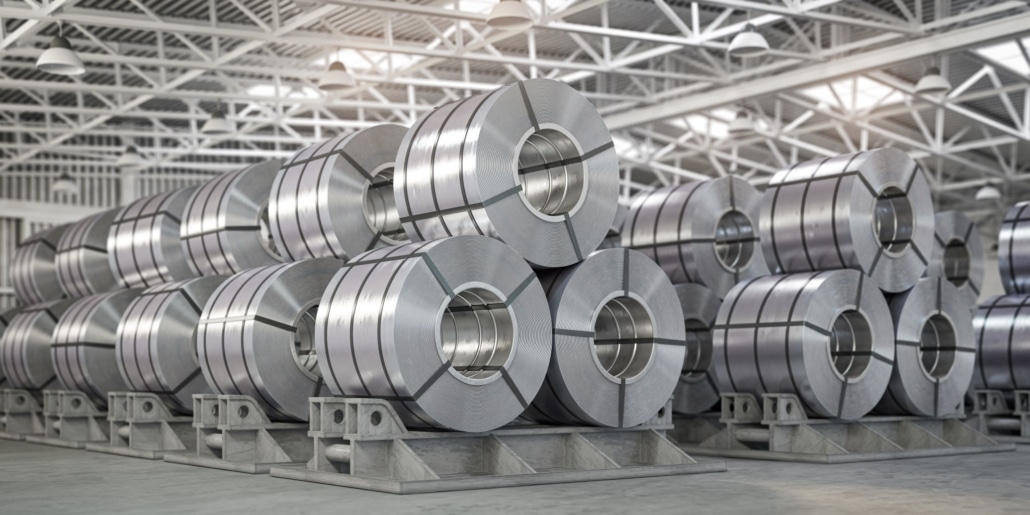
Choosing the right metal supplier can directly affect production quality, project costs, and delivery schedules. A poor choice may lead to inconsistent materials, unexpected delays, or costly rework. Before searching for a Metal supplier near me, manufacturers should understand what separates a dependable supplier from an unreliable one. Asking the right questions early helps businesses compare suppliers confidently and select a partner that can support both current projects and future production needs.
Why Choosing the Right Metal Supplier Matters
Manufacturing operations depend on materials that meet precise specifications. Whether a company produces machinery, structural components, automotive parts, equipment, or custom products, the quality of the raw material affects the final result.
A dependable metal supplier provides more than sheets, bars, tubes, plates, or other products. The supplier should offer consistent quality, accurate specifications, dependable availability, and responsive service.
Material problems can create a chain reaction. Incorrect dimensions may cause fabrication issues, poor-quality material can increase waste, and late deliveries can interrupt production schedules.
For that reason, manufacturers should evaluate potential suppliers carefully instead of selecting one based only on price.
What Questions Should You Ask a Metal Supplier?
Before signing an agreement, discuss important details about materials, quality control, pricing, delivery, and support. The following questions can make the selection process much easier.
What Types of Metal Do You Supply?
Start by asking about the supplier's available materials. Different manufacturing projects require different grades, sizes, finishes, and forms of metal.
Ask whether the supplier regularly handles the materials your business uses. For example, your requirements may include carbon steel, stainless steel, aluminum, galvanized steel, copper, or specialty alloys.
A supplier with a broad inventory can make sourcing simpler. However, availability alone should not determine your decision. The materials must also meet the required specifications.
Can You Provide Material Certifications?
Material certifications can be important for manufacturing applications where traceability and compliance matter.
Ask whether the supplier can provide documentation such as mill test reports, certificates of conformance, or other relevant material records. These documents can help confirm information such as chemical composition, mechanical properties, grade, and heat number.
For regulated or specification-sensitive projects, proper documentation can also make quality audits and recordkeeping easier.
How Do You Maintain Quality Control?
Quality should be discussed before the first order rather than after a problem occurs.
Ask the metal supplier how materials are inspected when they arrive and before they are shipped. You can also ask how the company handles damaged, incorrect, or nonconforming materials.
A useful supplier should have clear quality procedures. These processes may include dimensional checks, visual inspections, documentation reviews, and traceability practices.
What Are Your Typical Lead Times?
A competitive price does not help if the materials arrive after your production deadline.
Ask about standard lead times and whether they change depending on material type, quantity, size, or processing requirements. Also ask how the supplier communicates when an order is delayed.
Manufacturers should consider both normal and urgent requirements. If your production schedule changes frequently, ask whether the supplier can accommodate expedited orders when inventory and capacity allow.
Do You Keep Materials in Stock?
Inventory availability can have a major impact on manufacturing schedules.
Ask which products the supplier normally keeps in stock and which materials require special ordering. If your company frequently purchases the same materials, discuss whether the supplier can maintain inventory specifically for recurring needs.
A supplier with suitable stock levels can help reduce waiting periods. However, businesses should still confirm that stocked materials match their exact specifications.
How Can You Compare Metal Suppliers?
Comparing suppliers becomes easier when you use consistent criteria. Instead of asking each company different questions, create a simple evaluation process.
| Evaluation Area | Questions to Ask | Why It Matters |
|---|---|---|
| Material Quality | Do materials meet required specifications? | Protects product quality |
| Certifications | Can you provide material documentation? | Supports traceability and compliance |
| Inventory | What products are regularly stocked? | Reduces sourcing delays |
| Lead Time | How quickly can orders be delivered? | Helps maintain production schedules |
| Pricing | How are quotes calculated? | Improves cost planning |
| Delivery | What delivery options are available? | Supports reliable logistics |
| Custom Services | Do you offer cutting or processing? | Can reduce additional work |
| Communication | Who handles order questions? | Makes problem-solving easier |
| Returns | What happens if material is incorrect? | Reduces risk from order issues |
Using the same criteria for every supplier gives manufacturers a clearer picture of what each company actually offers.
What Should You Ask About Pricing?
Price is important, but the lowest quote may not represent the lowest overall cost.
Ask the metal supplier whether the quoted price includes processing, cutting, packaging, delivery, or other charges. Some suppliers may provide a low material price while charging separately for additional services.
Are There Volume Discounts?
If your company purchases large quantities, ask whether volume pricing is available. Long-term purchasing agreements may also provide opportunities for more predictable pricing.
However, avoid committing to excessive inventory simply to receive a lower unit price. Storage costs, material waste, and changing production requirements should also be considered.
How Long Is the Quote Valid?
Metal prices can change based on market conditions, availability, transportation costs, and other factors. Therefore, ask how long a quotation remains valid.
Understanding quote validity helps your purchasing team budget more accurately and prevents surprises when an order is placed later.
Does the Supplier Offer Processing Services?
Some manufacturers need more than raw material. They may require cutting, bending, drilling, shearing, or other preparation before the material reaches their facility.
Ask whether the metal supplier provides these services and what equipment is used. Processing services can reduce handling and eliminate the need to coordinate with multiple vendors.
For example, a manufacturer that needs metal cut to specific dimensions may benefit from receiving prepared pieces instead of full-size sheets or bars.
Before choosing this option, confirm tolerances, quantities, turnaround times, and additional costs.
How Reliable Is the Delivery Process?
Material arriving on time is essential for production planning. Even a high-quality supplier can create problems if deliveries are inconsistent.
Ask how orders are packaged, shipped, tracked, and protected during transportation. You should also understand whether the supplier works with common carriers, private transportation, or multiple delivery partners.
Can You Handle Recurring Orders?
Manufacturers with predictable demand should ask about recurring deliveries. A supplier may be able to establish a scheduled purchasing arrangement based on expected monthly or quarterly requirements.
This approach can simplify procurement and reduce the need to place individual orders repeatedly.
However, the agreement should clearly define quantities, delivery schedules, specifications, and procedures for changes.
How Does the Supplier Handle Material Problems?
Even with strong quality controls, mistakes can occasionally happen. What matters is how quickly and professionally the supplier responds.
Ask what happens if you receive the wrong grade, incorrect dimensions, damaged products, or material that does not match the purchase order.
A clear return and replacement process can reduce downtime. Also ask who should be contacted when a quality issue occurs and how quickly the company typically responds.
Good communication is especially valuable when a material problem could stop production.
Can the Supplier Support Future Growth?
Your material requirements may change as your business grows. A supplier that works well for small orders may not necessarily have the capacity for larger production volumes.
Ask whether the company can support increased order quantities, new material requirements, additional locations, or tighter delivery schedules.
You can also ask about the supplier's relationships with mills and manufacturer. A strong supply network may help the company maintain access to materials when demand changes.
Does the Supplier Understand Your Industry?
Industry experience can make communication easier. A supplier familiar with manufacturing may understand common specifications, tolerances, documentation requirements, and production pressures.
Explain your typical applications and ask whether the supplier regularly works with businesses in similar manufacturing sectors.
The goal is not simply to find a company that sells metal. It is to find a supplier that understands how material quality and availability affect your operation.
What Should You Know About Minimum Order Quantities?
Minimum order quantities can influence purchasing decisions, especially for smaller manufacturers or custom projects.
Ask whether the supplier has minimum quantities for specific materials, grades, sizes, or processing services.
If your requirements vary from project to project, a flexible supplier may help you avoid purchasing more material than necessary.
At the same time, larger orders may offer better pricing. Compare the financial benefit against storage requirements and the risk of unused inventory.
How Important Is Communication and Customer Service?
A manufacturing supplier should be easy to contact when questions arise. Delays, specification changes, and unexpected production needs require quick communication.
Ask how orders are managed and whether you will have a dedicated representative. Find out how quickly questions are normally answered and which communication channels are available.
Good communication can prevent small purchasing issues from becoming major production problems.
What Warning Signs Should You Watch For?
Manufacturers should pay attention to warning signs during the selection process.
Be cautious if a supplier:
- Avoids providing basic material documentation.
- Gives unclear answers about specifications.
- Cannot explain its quality-control procedures.
- Frequently changes quoted prices without explanation.
- Provides unrealistic delivery promises.
- Has unclear return or replacement policies.
- Shows little interest in understanding your requirements.
- Cannot explain how orders are tracked.
One issue may not automatically mean a supplier is unsuitable. However, several warning signs together deserve closer attention before you commit to a long-term relationship.
How Can You Build a Long-Term Supplier Relationship?
Once you select a metal supplier, treat the relationship as part of your broader procurement strategy.
Share accurate specifications and provide realistic forecasts when possible. Clear purchase orders can reduce misunderstandings and make it easier for the supplier to meet your requirements.
It is also useful to review supplier performance periodically. Track delivery reliability, material quality, response times, pricing, and how effectively problems are resolved.
Regular reviews can reveal areas for improvement before they affect major projects.
Conclusion
Selecting a metal supplier requires more than comparing prices. Manufacturers should evaluate material quality, certifications, inventory, lead times, delivery capabilities, processing services, pricing terms, and customer support. Asking detailed questions before placing an order can reduce purchasing risks and help prevent production interruptions. It also gives businesses a better understanding of whether a supplier can meet their current requirements and support future growth. By using consistent evaluation criteria and maintaining clear communication, manufacturers can build a dependable supply relationship that supports quality, efficiency, and long-term production goals.
FAQs
1. What should I ask a metal supplier first?
Start by asking about available materials, specifications, certifications, inventory, pricing, lead times, and delivery options. These details help determine whether the supplier can meet your manufacturing requirements.
2. Why are material certifications important?
Material certifications provide documentation about the material supplied. Depending on the project, they can help confirm grade, chemical composition, mechanical properties, and traceability.
3. Should manufacturers choose a supplier based on price?
Price is important, but it should not be the only factor. Quality, delivery reliability, documentation, service, processing capabilities, and overall purchasing costs can have a significant impact on manufacturing operations.
4. Can a metal supplier provide custom-cut materials?
Many suppliers offer services such as cutting, shearing, bending, or other material preparation. Ask about available services, tolerances, minimum quantities, turnaround times, and additional charges before ordering.
5. How can I find a reliable metal supplier for my business?
Compare several suppliers using the same criteria, including quality, certifications, inventory, pricing, lead times, delivery, customer service, and return policies. Request detailed quotes and ask practical questions before making a long-term commitment.
Comments