What Is The Best Adas Calibration System?
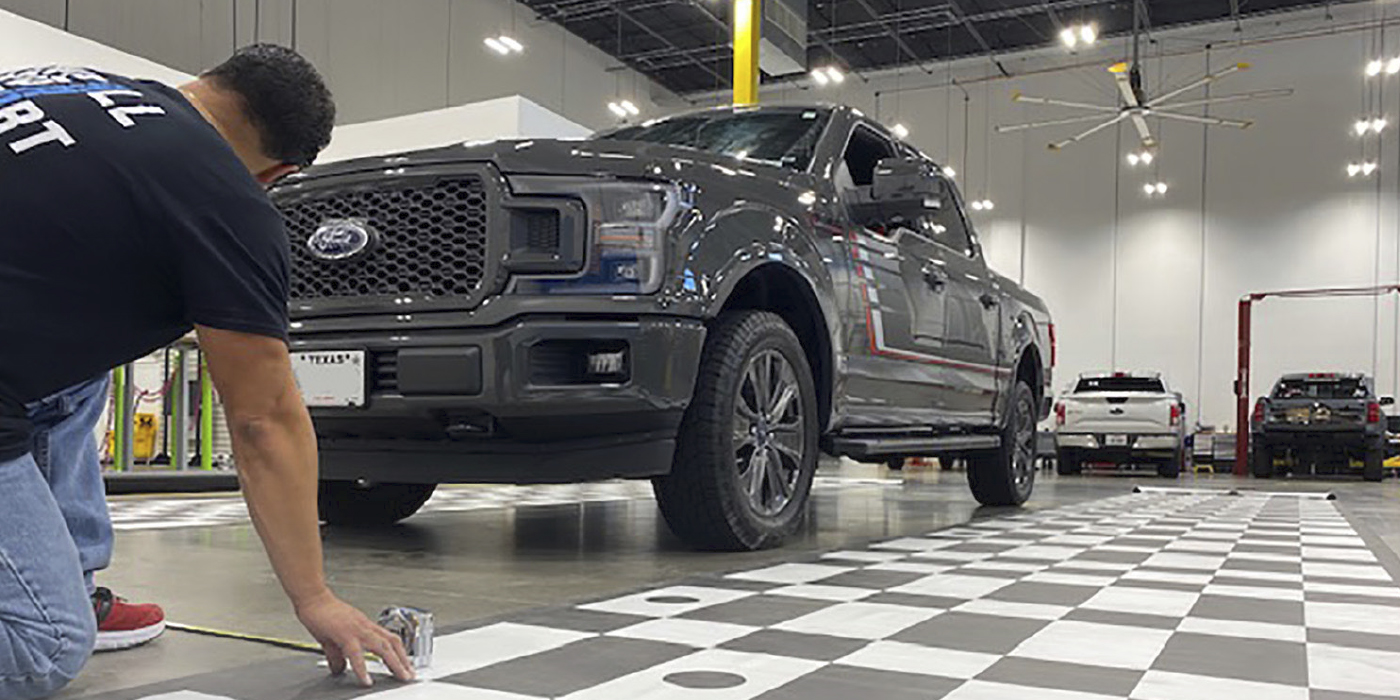
A calibration error can turn an advanced driver assistance feature into an unreliable one. That is why choosing the right Mobile ADAS calibration system matters for repair shops, technicians, and mobile service providers. The best system is not simply the most expensive option on the market. It should provide accurate measurements, broad vehicle coverage, easy operation, and dependable results while fitting the needs of your business.
Understanding What an ADAS Calibration System Does
Advanced Driver Assistance Systems (ADAS) rely on cameras, radar sensors, ultrasonic sensors, and other components to support features such as lane departure warnings, adaptive cruise control, automatic emergency braking, and blind-spot monitoring.
When a windshield is replaced, suspension components are repaired, wheel alignment changes, or certain body repairs are completed, an ADAS component may no longer sit in its original position. Even a small change in position can affect how the vehicle interprets its surroundings.
An ADAS calibration system helps technicians restore the required relationship between the vehicle's sensors and the road environment. Depending on the vehicle and system, calibration may involve targets, diagnostic equipment, measuring tools, or dynamic driving procedures.
The objective is simple: make sure the vehicle's safety systems can accurately detect and respond to their surroundings.
Why Calibration Equipment Quality Matters
Accuracy should be the first consideration when evaluating equipment. A target that is positioned incorrectly or a measurement that is slightly off can affect the calibration process.
For example, a camera mounted behind a windshield may need to recognize lane markings from a specific angle. If the calibration target is not placed at the correct distance or height, the procedure may not produce the expected result.
Good equipment therefore needs more than a professional appearance. It needs reliable measurements, stable positioning, proper target specifications, and clear instructions.
Key Features of the Best Calibration Systems
There is no single system that is ideal for every repair facility. However, certain features can help separate a practical calibration solution from equipment that creates unnecessary complications.
Wide Vehicle Coverage
Vehicle manufacturers use different ADAS technologies and calibration procedures. A system with broad coverage can help a shop handle more vehicles without constantly purchasing additional equipment.
Before buying, check whether the system supports the makes and models your business services most often. Pay attention to both current coverage and how frequently the manufacturer adds new vehicles.
Broad coverage can be especially valuable for independent repair shops that work on domestic, Asian, and European vehicles.
Accurate Target Positioning
Target placement is one of the most important parts of many static calibration procedures. The equipment should make it easy to position targets accurately according to manufacturer specifications.
Look for systems that provide clear measurement references and stable target mounting. A frame that moves during setup can introduce errors and force technicians to repeat the process.
A well-designed setup should also make it obvious when the equipment is properly aligned with the vehicle.
Reliable Diagnostic Compatibility
Calibration equipment and diagnostic software often work together. A target may be positioned perfectly, but the technician still needs appropriate diagnostic access to complete the vehicle-specific procedure.
When evaluating a system, consider whether it integrates effectively with the diagnostic tools used in your shop. Compatibility can reduce interruptions and prevent technicians from switching between complicated workflows.
Easy Setup and Operation
Advanced equipment does not have to be difficult to use. In fact, an overly complicated system can slow down a busy calibration business.
Look for equipment with straightforward instructions, readable measurement scales, and repeatable setup procedures. Technicians should be able to understand the workflow without spending excessive time interpreting unclear documentation.
Ease of use also matters when multiple technicians share the same equipment.
Comparing Calibration Systems for Different Businesses
The right system depends heavily on how and where calibration work is performed. A large collision center may have different requirements from a technician who travels to repair facilities.
| Business Type | Important System Features | Main Benefit |
|---|---|---|
| Collision Repair Shop | Wide coverage, durable frame, precise measurements | Handles varied repair jobs |
| Glass Replacement Business | Camera calibration support, quick setup, portability | Complements windshield services |
| Independent Repair Shop | Diagnostic compatibility, broad vehicle coverage | Supports multiple vehicle brands |
| Mobile Calibration Provider | Portable design, fast setup, compact storage | Allows on-site service |
| High-Volume Service Center | Repeatable workflow, speed, target variety | Improves technician productivity |
This comparison shows why the "best" system cannot be determined by price alone. The ideal choice is the one that matches your vehicle mix, workspace, technician experience, and service model.
Why Mobile ADAS Solutions Are Growing
Many vehicle owners and repair businesses prefer services that reduce downtime. Instead of transporting a vehicle to another facility, a technician can perform eligible calibration work at a repair location.
A mobile setup can be particularly useful for body shops, glass businesses, dealerships, and fleet operators. It can also create an additional revenue opportunity for calibration specialists who want to serve multiple locations.
However, portability should not come at the expense of accuracy. A mobile system still needs to provide controlled measurements and appropriate positioning.
Advantages of a Mobile Setup
A properly designed mobile calibration solution can offer several practical benefits:
- Service can be performed at eligible customer or repair locations.
- Repair businesses may reduce vehicle transportation requirements.
- Calibration providers can serve multiple shops within a service area.
- Businesses can expand their offerings without maintaining multiple permanent calibration bays.
- Fleet operators may benefit from convenient on-site support.
The key is to choose equipment that is genuinely designed for repeatable mobile use rather than simply moving bulky shop equipment from one location to another.
Static and Dynamic Calibration: Know the Difference
One common mistake is assuming every ADAS system can be calibrated using the same method. In reality, calibration requirements vary by vehicle, sensor, and manufacturer.
Static calibration generally requires specialized targets or equipment positioned around the vehicle. The technician follows specific measurements and diagnostic procedures.
Dynamic calibration, on the other hand, may require the vehicle to be driven under defined road and operating conditions while the system completes its calibration process.
Some vehicles may require a combination of procedures.
Why Manufacturer Procedures Should Guide the Process
Equipment manufacturers can provide useful tools and instructions, but vehicle manufacturers ultimately determine the required calibration procedure for their systems.
Technicians should therefore consult the applicable service information before beginning a job. Factors such as tire pressure, ride height, alignment, vehicle load, and sensor condition can influence calibration requirements.
Following a generic procedure when a vehicle requires a specific manufacturer process can create unnecessary risk.
How to Evaluate a System Before Buying
Purchasing calibration equipment is a significant investment. Instead of focusing only on the initial price, evaluate how the system will perform over its expected working life.
Start by identifying the vehicles your business sees most frequently. Then determine which ADAS features and calibration procedures those vehicles require.
Consider the following questions:
Does the system cover the vehicles you service?
A low-cost system has limited value if it cannot handle your most common jobs.
Is the equipment easy to transport and store?
This matters particularly for businesses providing mobile services.
Can technicians set it up consistently?
Repeatability is essential when several people use the same equipment.
Are replacement targets and accessories available?
A calibration system is only useful if its essential components remain accessible.
Does the manufacturer provide software and technical updates?
Vehicle technology changes continuously, so outdated information can limit the usefulness of the equipment.
Is training available?
Good training can shorten the learning curve and help technicians avoid setup mistakes.
Common Mistakes When Choosing Calibration Equipment
Some businesses select equipment based almost entirely on price. While budget matters, the cheapest option may become expensive if it requires additional accessories, has limited coverage, or takes significantly longer to operate.
Another common mistake is buying equipment without considering available workspace. A large frame may work well in a permanent calibration bay but become impractical for a mobile technician.
Ignoring future vehicle coverage is another issue. A system that works for today's workload may become restrictive as new vehicle models enter the market.
Finally, businesses sometimes overlook support. When a calibration procedure becomes complicated, having access to technical documentation, updates, training, and customer support can save valuable time.
Improving Accuracy During Every Calibration Job
Even high-quality equipment cannot compensate for poor preparation. Technicians should establish a consistent workflow before beginning calibration.
The vehicle should be inspected for conditions that may affect the procedure. Tires, wheel alignment, suspension condition, windshield installation, sensor damage, and other relevant factors should be checked according to the applicable service requirements.
The workspace also matters. Uneven floors, poor lighting, restricted space, or obstacles around the vehicle can make accurate setup more difficult.
A useful approach is to create a repeatable checklist covering vehicle preparation, equipment inspection, measurements, target positioning, diagnostic procedures, and final verification.
Consistency reduces avoidable errors.
The Role of Technician Training
Equipment is only one part of successful calibration. A technician must understand how the equipment works and why each measurement matters.
Training should cover more than basic button-by-button operation. Technicians should understand target placement, vehicle preparation, manufacturer procedures, diagnostic communication, calibration results, and documentation.
Experienced technicians can also recognize when a calibration should not proceed. For example, a damaged sensor, incorrect ride height, alignment issue, or improperly installed windshield may need attention before calibration begins.
That knowledge can prevent a technician from treating calibration as a simple equipment setup task.
Why Documentation Should Be Part of the Process
A professional calibration business should maintain clear records of completed work. Documentation can include the vehicle identification, calibration procedure, equipment used, diagnostic results, and relevant measurements.
Good records help technicians review previous work and provide customers or repair partners with greater confidence.
For businesses handling fleet vehicles or high volumes of repairs, organized documentation can also make quality control easier. It provides a useful reference if a vehicle returns for additional service.
Choosing Equipment for Long-Term Business Growth
A calibration system should support the direction of your business rather than only its current workload.
If you plan to expand into mobile services, portability and quick setup become more important. If your business expects to handle more collision repairs, broad target coverage and vehicle support may have greater value.
Consider the total operating cost as well. Equipment price is only one part of the investment. Training, software subscriptions, target replacement, maintenance, workspace, and technician time can all affect profitability.
The strongest purchasing decision is usually the one that balances accuracy, coverage, productivity, support, and long-term usability.
What Makes One System Better Than Another?
The best system is ultimately the one that allows trained technicians to complete required procedures accurately, consistently, and efficiently.
A premium price does not automatically guarantee better results. Similarly, a basic system may not provide the coverage or flexibility required by a growing calibration business.
When comparing options, give priority to:
- Vehicle and procedure coverage
- Measurement accuracy
- Target quality
- Setup repeatability
- Diagnostic compatibility
- Portability when needed
- Software and database updates
- Manufacturer support
- Training resources
- Long-term operating costs
A system that performs well across these areas can become a valuable part of a professional calibration workflow.
Conclusion
Choosing the best ADAS calibration system requires more than comparing price tags or counting included targets. Businesses should evaluate accuracy, vehicle coverage, setup time, portability, diagnostic compatibility, training, and long-term support. A well-selected system can help technicians perform calibration work more consistently while giving repair shops another dependable service option. For businesses offering Mobile ADAS services, portability and repeatable setup are especially important. Most importantly, equipment should always be used alongside the appropriate vehicle-specific procedures and properly trained technicians. The right combination of technology, knowledge, and process creates a safer and more reliable calibration service.
Frequently Asked Questions
What should I look for in an ADAS calibration system?
Look for accurate measurement capabilities, broad vehicle coverage, quality targets, reliable positioning, diagnostic compatibility, software updates, training, and strong technical support. Your choice should also match the types of vehicles and services your business handles.
Is a mobile calibration system as accurate as shop-based equipment?
It can be, provided the equipment is properly designed for mobile use and technicians follow the required procedures. Portability does not automatically reduce accuracy. Proper setup, measurements, vehicle preparation, and a suitable working environment remain essential.
Can one calibration system work with every vehicle?
No. Vehicle manufacturers use different sensors, targets, procedures, and specifications. Before purchasing equipment, review its coverage and confirm that it supports the vehicle makes and models your business commonly services.
Does every ADAS feature require static calibration?
No. Some systems require static calibration, others use dynamic procedures, and certain vehicles may require both. The correct method depends on the vehicle, sensor, and manufacturer's service requirements.
Is expensive calibration equipment always better?
Not necessarily. A higher price can reflect additional features or broader coverage, but it does not automatically make a system the best choice for every business. The better investment is equipment that provides the accuracy, coverage, workflow, portability, and support your specific operation requires.
Comments