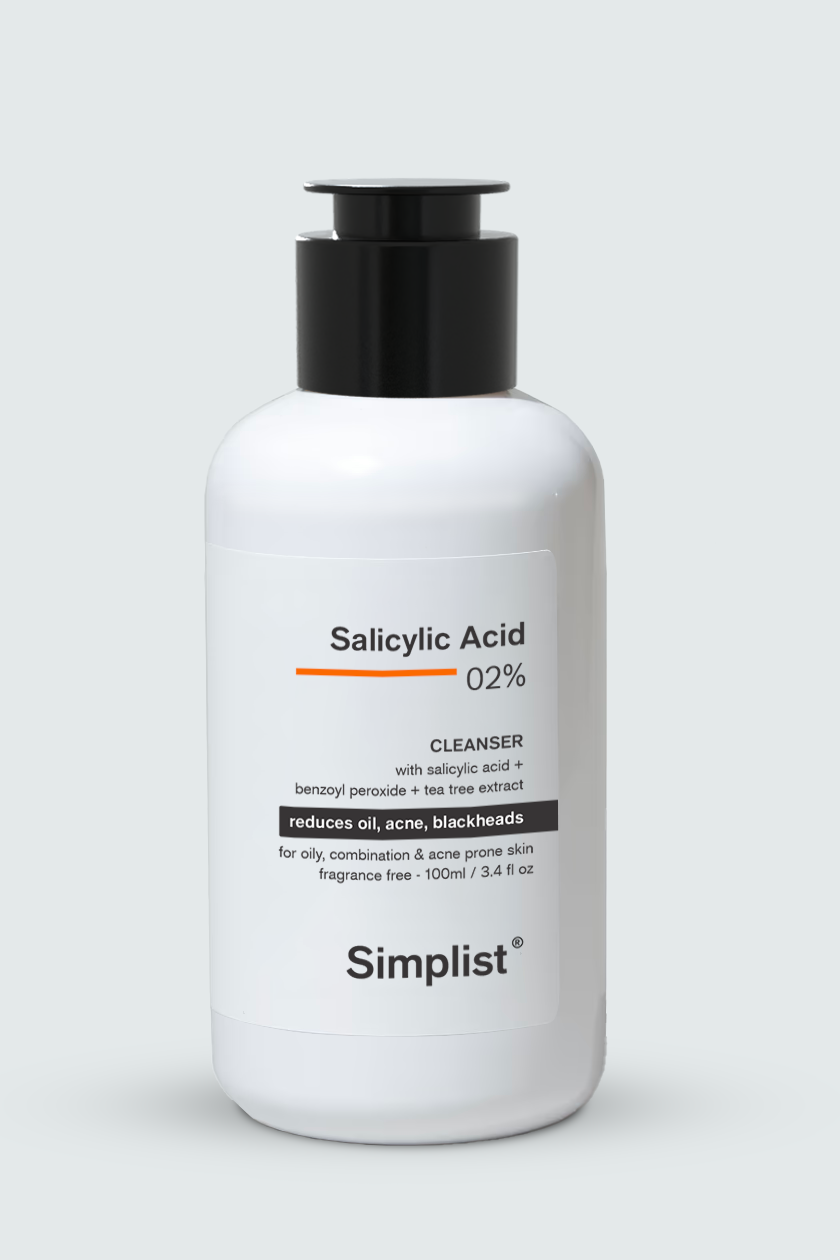
In the realm of skincare, salicylic acid face wash stands as a cornerstone recommendation from dermatologists worldwide. Celebrated for its powerful acne-fighting capabilities, deep pore-cleansing properties, and its ability to improve overall skin texture, this beta-hydroxy acid (BHA) is more than just a trending ingredient — it is a dermatologist-backed solution to some of the most persistent skin issues.
What Is Salicylic Acid and How Does It Work?
Salicylic acid is a lipid-soluble beta-hydroxy acid (BHA) that penetrates deep into the skin's pores. Unlike water-soluble alpha-hydroxy acids (AHAs), salicylic acid dissolves the excess sebum, dead skin cells, and other debris that clog pores and lead to blackheads, whiteheads, and acne breakouts.
It works by:
Exfoliating the outer skin layers gently yet effectively.
Clearing comedones before they develop into inflamed pimples.
Reducing inflammation and calming irritated skin.
Preventing future breakouts by regulating sebum production.
Why Dermatologists Prefer Salicylic Acid Face Wash Over Other Products
1. Non-Comedogenic and Oil-Soluble
One of the standout reasons dermatologists favor salicylic acid is its ability to reach deeper into the skin. Unlike AHAs that work only on the surface, salicylic acid targets the sebaceous glands and dissolves oils inside pores, making it exceptionally effective for oily and acne-prone skin types.
2. Proven Anti-Inflammatory Benefits
Salicylic acid is a derivative of aspirin (acetylsalicylic acid), giving it natural anti-inflammatory properties. For people suffering from red, irritated skin due to acne, salicylic acid provides a calming, soothing effect, helping to reduce redness and swelling without the harsh drying effects associated with other acne treatments.
3. Gentle Yet Powerful Exfoliation
Unlike harsh physical scrubs, salicylic acid offers chemical exfoliation that doesn't damage the skin barrier. It’s an ideal choice for sensitive skin, as it removes dead skin cells without microtears or abrasions.
4. Helps Prevent Future Breakouts
Regular use of a salicylic acid face wash ensures that dead skin cells do not accumulate and clog pores. Dermatologists recommend it as part of a preventative routine, not just a treatment. It actively maintains clear skin rather than responding only to active acne.
Ideal Skin Types for Salicylic Acid Face Wash
Oily Skin
Salicylic acid's oil-soluble nature makes it highly effective for those who struggle with excess sebum production. It cleanses deep within the pores and regulates oil, keeping breakouts at bay.
Acne-Prone Skin
Whether it's teen acne, adult hormonal acne, or occasional breakouts, this ingredient is renowned for preventing and treating both comedonal (blackheads and whiteheads) and inflammatory acne (pimples and cysts).
Combination Skin
Those with combination skin—oily in some areas and dry in others—benefit from salicylic acid’s balancing act. It clears oily zones while being mild enough to not overly dry the rest of the face.
Keratosis Pilaris and Dull Skin
Salicylic acid isn't just for acne. It also smooths out bumpy skin conditions such as keratosis pilaris and improves the appearance of rough, dull skin by enhancing skin cell turnover.
How to Use Salicylic Acid Face Wash Effectively
Step 1: Start Slowly
For first-time users, dermatologists advise starting with 2-3 uses per week to allow the skin to adjust. Overuse may lead to dryness or irritation, especially in those with sensitive skin.
Step 2: Apply to Wet Skin and Massage Gently
Use lukewarm water to wet the skin before applying. Gently massage the product in circular motions, focusing on problematic zones like the T-zone, chin, and jawline.
Step 3: Rinse Thoroughly and Pat Dry
Ensure that the product is completely rinsed off to avoid residue buildup, and pat the skin dry with a soft towel — never rub.
Step 4: Moisturize and Apply Sunscreen
Because salicylic acid can slightly increase sun sensitivity, always follow up with a hydrating moisturizer and broad-spectrum SPF 30+ sunscreen in the morning.
Common Misconceptions About Salicylic Acid
Myth 1: It's Only for Teenagers
Contrary to popular belief, salicylic acid is not age-specific. Adults experiencing acne or seeking smoother, refined skin texture can greatly benefit from consistent use.
Myth 2: It Dries Out the Skin
When used appropriately, especially in formulations that include hydrating ingredients like glycerin or hyaluronic acid, salicylic acid is less drying than many benzoyl peroxide or retinol products.
Myth 3: It’s Unsafe for Daily Use
Many formulations available today are specifically balanced for daily application, even twice daily for those with very oily skin. Low concentrations of 0.5% to 2% are considered safe for most skin types under dermatologist guidance.
Ingredients That Pair Well with Salicylic Acid
Niacinamide
Combining salicylic acid with niacinamide can enhance its pore-cleansing benefits while soothing the skin and strengthening the skin barrier.
Hyaluronic Acid
To combat dryness, hyaluronic acid helps retain moisture without adding oil, making it a perfect partner to salicylic acid in a skincare routine.
Zinc PCA
This ingredient helps regulate sebum while offering antibacterial properties, complementing the acne-fighting power of salicylic acid.
When to Avoid Salicylic Acid Face Wash
During pregnancy, high concentrations should be avoided unless approved by a healthcare provider.
Those with extremely dry or eczema-prone skin may experience irritation and should consult a dermatologist.
People using multiple exfoliating products (like retinoids or AHA toners) may risk over-exfoliation and should alternate their use.
Best Practices for Long-Term Use
To maximize benefits:
Incorporate it consistently into your morning or evening routine.
Avoid layering multiple exfoliants to reduce the risk of irritation.
Use fragrance-free formulations to reduce sensitivity.
Conclusion: A Trusted Staple in Dermatological Skincare
Dermatologists recommend salicylic acid face wash not just as a treatment, but as a long-term skincare ally. It is versatile, well-researched, and capable of delivering clear, smooth, and healthy skin when used correctly. From managing acne to refining texture and preventing clogged pores, salicylic acid face washes remain one of the most trusted skincare solutions available today.
Comments