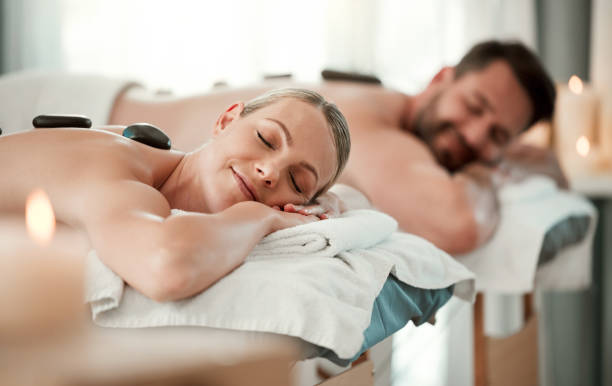
A lot of people think about booking a spa day for months before they actually do it. And honestly, the hesitation usually isn't about the cost. It's the not-knowing part. What do you wear? Do you talk during a massage? What happens when you walk in the door? If you've been sitting on the idea, this guide is for you. Booking a Day Spa in San Diego, CA doesn't have to feel like a mystery. Here's a plain walkthrough of the whole experience so you can show up relaxed instead of anxious.
Before You Even Walk In
Preparation matters more than most people expect. Drink plenty of water the day before and the morning of your visit. Hydrated skin responds better to facials and body treatments, and you'll feel less wiped out afterward. Don't shave right before a body treatment or exfoliation service, since freshly shaved skin can sting when product is applied. Light meals work better than heavy ones. Showing up stuffed is uncomfortable when you're lying face-down on a massage table for an hour.
Wear comfortable, loose clothing you can easily slip in and out of. You don't need to dress up. Most spas provide robes and slippers once you arrive, so whatever you drive over in is fine. Leave jewelry at home if you can. Rings, necklaces, and earrings just have to come off anyway, and it's one less thing to track.
Arrive early. Not ten minutes early. More like fifteen to twenty. That buffer gives you time to fill out an intake form, get oriented, and actually settle into the spa's pace before your first service starts. Rushing in at the last second is a fast way to spend the first half of your massage still mentally at work.
The Check-In and Consultation Process
Most spas will ask you to fill out a health intake form on arrival. It covers things like allergies, skin conditions, medications, and any injuries. Fill it out honestly. Your esthetician or massage therapist uses that information to adjust the service for you, not to judge you. If you're pregnant, on blood thinners, or dealing with a skin condition like rosacea, say so. It changes which products and techniques are safe to use.
After the paperwork, you'll usually meet briefly with whoever is doing your service. This is a short conversation, not an interview. They'll ask what you're hoping to get out of the treatment and whether you have any specific concerns. Speak up. If you want firmer pressure, lighter scents, or you'd rather not have your face touched during a massage, just say it. Good therapists want the feedback. It's genuinely easier for them when you're direct.
A Typical Treatment Room Experience
You'll be shown to a changing area or directly to your treatment room. The room is usually dim, warm, and quiet. Most people aren't sure how undressed to get. Your therapist will tell you, or it'll be explained on a card in the room. For a full-body massage, most people undress completely but are covered with a sheet the entire time, with only the area being worked on exposed. For a facial, you stay in your top or change into a robe. You're never fully uncovered all at once.
Once the treatment starts, you don't have to talk. Some people chat the whole time. Others fall asleep. Both are totally fine. If something feels wrong, like pressure that's too intense or a product that's irritating your skin, say something right away. Therapists don't take that personally. It's part of their job to adjust.
According to the Wikipedia overview of massage therapy, different techniques target different outcomes, from circulation and muscle tension to relaxation and lymphatic flow. Knowing that helps you pick the right service for what your body actually needs right now.
Choosing the Right Service for You
This is where most first-timers freeze. The menu looks long. Start simple. A Swedish massage is the gentlest full-body option and a good baseline for anyone new to bodywork. Facials are broken down by skin type or concern, so ask the front desk which one fits oily, dry, or sensitive skin. Body wraps are good if you want deep hydration or detox support. Exfoliation treatments like scrubs or dry brushing are great for dull skin but can feel intense if your skin is reactive.
If you're visiting a luxury day spa in San Diego, CA, the menu might include specialty add-ons like hot stone therapy, hydrotherapy, or LED light treatments. Don't feel pressure to book everything at once. Pick one or two services that match your main concern, whether that's muscle tension, skin texture, or just stress. You can always come back and try something new next time.
At a place like Bonnie Cruz Esthetics, for example, the team typically helps first-time guests narrow down the options based on a quick conversation about what they're dealing with. That kind of guidance makes a real difference when the menu has fifteen items and you don't know where to start.
Etiquette Things Nobody Tells You
Tipping is standard. Most people tip between 18 and 20 percent for spa services, the same as you would at a restaurant. Some spas include gratuity automatically, so check your receipt. Cash tips are appreciated but most places accept cards. Don't skip the tip because you pre-paid for the service online. The therapist still did the work.
Phones should be silenced and put away. The spa environment depends on quiet, and one ringtone in a treatment hallway carries further than you think. Most spas also ask you to keep voices low in common areas like the relaxation lounge or hydrotherapy pool. It's not a strict rule, just basic consideration for other guests who paid for the same quiet you did.
The luxury day spa in San Diego, CA experience is also about slowing down after your treatment, not racing out the door. Most spas have a relaxation room where you can sit with water or herbal tea after your service. Use it. Your body needs a few minutes to come back to baseline before you jump back into traffic.
What Your Body Feels Like After
Expect to feel loose, a little floaty, and possibly tired. That's normal. Deep tissue work especially can leave muscles feeling sore the next day, similar to a light workout. Drink extra water after any body treatment. It helps your system clear out whatever the massage or wrap stirred up. Don't plan anything demanding right after your appointment if you can help it.
Skin after a facial might look a bit red or flushed for an hour or two, especially if extractions were done. That fades. Avoid heavy makeup, sun exposure, and harsh skincare products for at least 24 hours after a facial. Let the treatment do its work. Your esthetician will usually give you specific aftercare instructions before you leave, and it's worth following them.
To extend the benefits at home, keep up with hydration, use a gentle moisturizer, and if you got a body treatment, a good lotion applied daily keeps the results going longer. One Day Spa in San Diego, CA visit can genuinely shift how your skin and muscles feel for days if you support it with simple habits at home.
Frequently Asked Questions
What should I wear to a day spa?
Comfortable, easy-to-remove clothing works best. Spas provide robes and slippers, so you don't need to dress up. Leave jewelry at home since you'll have to take it off before any treatment anyway.
Is it okay to talk during a massage?
Yes, and it's also okay not to. Some people chat the whole session and some people fall asleep. Do whatever feels natural. The one thing worth saying out loud is if something is uncomfortable, since your therapist can adjust pressure or technique right away.
How much should I tip at a day spa?
The usual range is 18 to 20 percent, similar to a restaurant tip. Some spas automatically add gratuity, so check your bill. Cash is appreciated but most places accept card tips too.
Can I eat before a spa treatment?
A light meal is fine. A big, heavy meal right before a massage is uncomfortable when you're lying face-down. Try to eat something small a couple hours before your appointment rather than arriving completely empty or overly full.
What if I don't like the pressure or something feels wrong during a treatment?
Just say something. Therapists aren't offended by mid-session feedback. It's actually easier for them to adjust in the moment than to hear afterward that something was wrong the whole time. Speak up early and the rest of the session will go much better.
The first visit is always the most uncertain one. After that, you'll know the rhythm, you'll have a therapist you trust, and booking the next one feels easy. Give yourself the chance to actually find out what works for your body.
Comments